
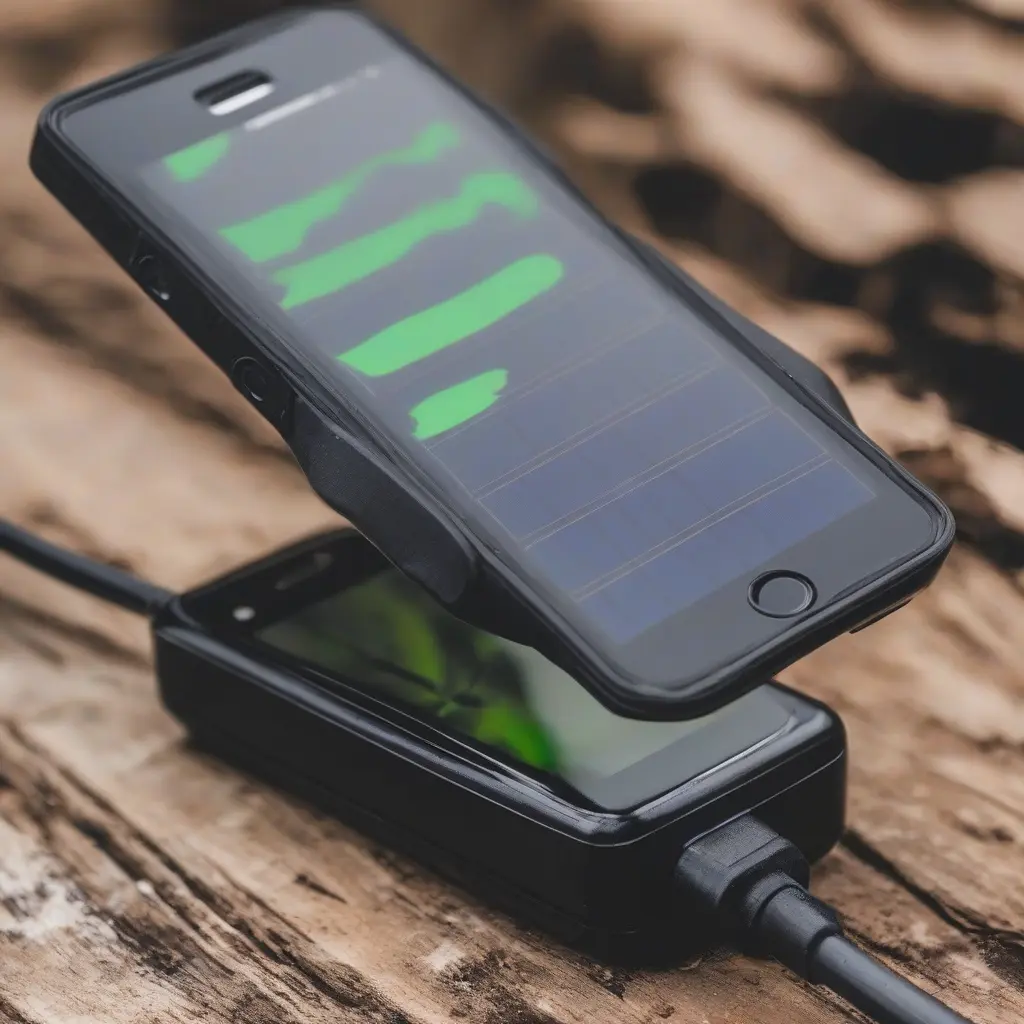
As the world becomes more environmentally conscious, many people are turning to solar phone chargers as a sustainable choice for power. While these devices promise convenience and eco-friendliness, several myths surround their functionality and effectiveness. Understanding these myths versus realities can help consumers make informed purchasing decisions. This article explores common misconceptions about solar phone chargers, their actual performance, and the benefits they bring to users. By demystifying these devices, we hope to provide clarity on whether a solar phone charger suits your needs.
Myth: Solar Chargers Don’t Work in All Weather
One common myth regarding solar phone chargers is that they are ineffective during cloudy or rainy conditions. While it is true that solar panels operate more efficiently in direct sunlight, they can still harness energy even when the sky is overcast. Solar technology has significantly advanced, allowing chargers to capture diffuse sunlight. Although charging speeds may decrease in less sunny conditions, solar chargers can still provide a sustainable power source when traditional outlets are unavailable.
Reality: Solar Chargers Are Portable
Solar phone chargers are designed for portability, making them ideal for outdoor enthusiasts and travelers. Their lightweight and compact design allows users to carry them easily in a backpack or purse. Moreover, many models feature built-in batteries that store solar energy for nighttime charging, enhancing their utility. This versatility makes solar chargers a convenient option for camping, hiking, or any situation where conventional power sources are not readily accessible.
Myth: Solar Phone Chargers are Slow
Another prevalent misconception is that solar phone chargers are inherently slow at charging devices. While it’s true that solar charging typically takes longer compared to conventional AC chargers, several factors influence charging speed. Efficient solar panels and optimal sun exposure can significantly improve charging times. Additionally, advancements in technology have led to faster solar charging capabilities, allowing some models to charge devices at comparable speeds to traditional methods, especially under direct sunlight.
Reality: They Require Adequate Sunlight
For optimal performance, solar phone chargers require adequate sunlight. The efficiency of solar panels decreases significantly in shaded areas or during early morning and late evening hours. Users should position their chargers for maximum sun exposure to enhance energy capture. Additionally, maintaining the cleanliness of solar panels ensures that dust and dirt do not obstruct the sunlight, facilitating a consistent charging experience when the weather is favorable.
Myth: They Are Expensive
Many potential buyers believe that solar phone chargers come with a hefty price tag, leading to the misconception that they are unaffordable for the average consumer. While premium models exist, a variety of budget-friendly options also offer basic solar charging capabilities. The initial investment may seem higher than traditional chargers, yet the long-term savings on electricity costs and battery replacements can offset the expense, particularly for those who regularly travel or camp.
Reality: Eco-Friendly Charging Option
Solar phone chargers are a significantly eco-friendly option, contributing to reduced carbon footprints. By harnessing renewable energy from the sun, these chargers help minimize reliance on fossil fuels and decrease greenhouse gas emissions. Consumers looking to reduce their environmental impact will find that integrating solar technology into their charging routine can be an effective way to achieve sustainability goals. This aligns with the growing trend of adopting environmentally conscious choices in everyday life.
Myth: They Don’t Work in Winter
A common belief is that solar phone chargers are ineffective during the winter months when sunlight is scarce. While there’s less sunlight, solar chargers can still operate in winter conditions. Snow is often reflective, meaning that even on cloudy or snowy days, chargers can still capture some solar energy. Users must remain mindful of positioning their chargers effectively and ensuring that they are free of snow or ice that might hinder performance.
Reality: Versatile for Many Devices
Solar phone chargers are not only effective for smartphones but are versatile enough to charge various devices. Many models come equipped with multiple output ports, enabling users to charge tablets, cameras, and other small electronics simultaneously. This multi-device capability makes solar chargers an ideal choice for families or groups during outings. Users should check compatibility with their devices before purchasing to ensure effective charging.
Myth: They Are Heavy and Bulky
Many consumers think that solar phone chargers are heavy and cumbersome, believing they cannot be easily transported. Recent technological advancements have led to the development of lighter and more compact models that are easier to carry. Manufacturers are now producing foldable and portable designs that fit conveniently into pockets and bags, making them accessible for everyday use and travel. This shift in design allows users to enjoy the benefits of solar charging without the bulk.
Reality: Maintenance is Minimal
A significant advantage of solar phone chargers is their minimal maintenance requirements. Unlike traditional chargers that may require frequent replacements due to wear and tear, solar chargers typically have long lifespans. Regularly cleaning the solar panels and storing them in dry conditions can prolong their effectiveness. Users should also monitor battery health if their solar charger has a built-in battery, ensuring optimal storage of solar energy for future use.
Conclusion
Understanding the myths and realities of solar phone chargers is essential for consumers considering this alternative power source. While there are misconceptions regarding efficiency, costs, and effectiveness, the truth reveals solar chargers as practical, eco-friendly, and versatile devices. As technology continues to advance, these chargers offer sustainable solutions for powering electronics in various settings, making them a compelling addition to anyone’s charging arsenal.