
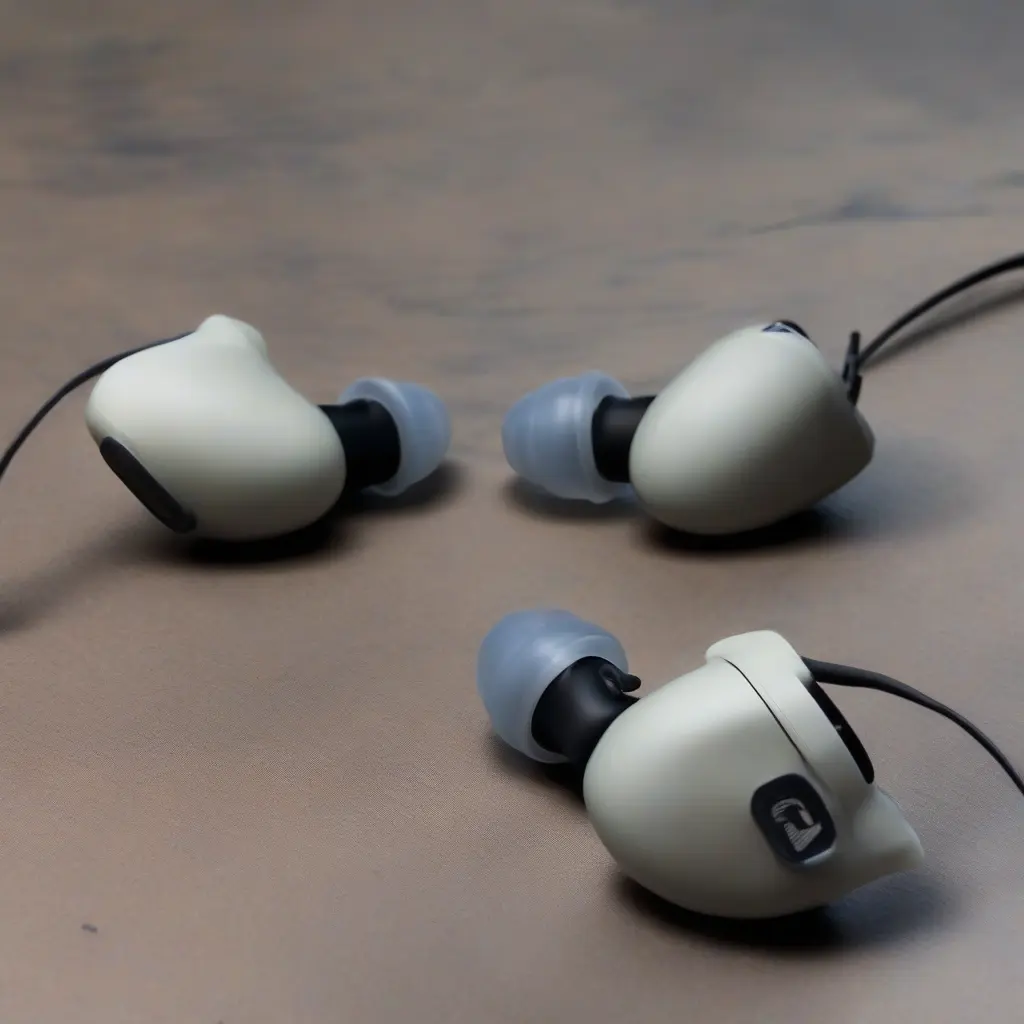
The fit of earbuds plays a crucial role in both hearing protection and user comfort. A proper fit not only enhances audio quality and listening experience but also minimizes sound leakage and potential hearing loss. With varying ear shapes and sizes, choosing the right earbud can be complex. This article delves into the importance of earbud fit, discussing its implications on hearing protection, comfort, and overall audio experience, while providing valuable tips for selecting the best earbud type for your needs.
Understanding Earbud Fit
Earbud fit refers to how well the earbuds conform to the shape of a wearer’s ear canal. A good fit ensures that the earbuds create a proper seal, which is essential for both comfort and sound isolation. There are three primary types of earbud designs: in-ear, on-ear, and over-ear. Each design varies in how they fit within or around the ear, affecting overall sound quality and user satisfaction. A tight fit enhances bass response and minimizes outside noise, making understanding earbud fit a fundamental aspect when selecting headphones.
The Role of Earbud Fit in Hearing Protection
Earbud fit significantly influences hearing protection. When earbuds fit properly, they can reduce the need for users to increase volume levels to drown out external noise. This is vital, as prolonged exposure to loud sounds can lead to hearing loss over time. Inadequate fitting can lead to sound leaks, forcing users to turn up the volume, thereby risking further damage. Ensuring that your earbuds fit snugly promotes a safer listening environment, contributing to long-term hearing health.
Comfort: A Key Factor for Earbud Use
Comfort is essential for prolonged use of earbuds, particularly among users who listen to music or podcasts for extended periods. Poorly fitting earbuds can cause pain or discomfort, leading to distractions and interruptions during listening sessions. Tips for enhancing comfort include selecting earbuds with different tip sizes, materials, and shapes to find the best match for individual ear anatomy. Comfort directly correlates with user satisfaction, emphasizing the need to prioritize fit when selecting earbuds.
How Earbud Design Affects Fit
Different earbud designs cater to various fitting styles, affecting both protection and comfort. In-ear earbuds, designed to sit deep within the ear canal, typically offer better sound isolation and comfort for many users. Conversely, on-ear and over-ear designs rest more on the outer ear, which might be more comfortable for some but tend to let in more environmental noise. Understanding how these design differences impact fit can guide users in choosing the right earbuds based on their listening preferences and necessary hearing protection.
Types of Ear Tips and Their Importance
Ear tips come in various materials and sizes, significantly influencing the fit and overall listening experience. Foam tips often provide a better seal and comfort, conforming to the ear canal’s shape, while silicone tips may be more durable and easier to clean. Users might also find interchangeable tips beneficial, allowing customization based on activity or comfort preference. Selecting the right type of ear tip is crucial for maximizing sound isolation and minimizing ear fatigue, reinforcing the significance of fit.
Tips for Achieving the Perfect Earbud Fit
Achieving the perfect earbud fit involves testing different styles, sizes, and materials. It is advisable to start by trying multiple ear tip sizes to identify the most comfortable option. Additionally, users should consider the shape of their ear and the specific design of the earbuds. Many brands now offer customizable earbuds that could cater to unique ear shapes. Regularly cleaning earbuds and replacing worn ear tips can also enhance the fit over time, ensuring ongoing comfort and hearing protection.
The Influence of Earbud Fit on Sound Quality
The fit of earbuds directly impacts sound quality, as proper sealing enhances bass response and overall clarity. When earbuds fit correctly, they prevent sound leakage, allowing users to experience audio as intended by the artist. Poorly fitting earbuds diminish audio quality, leading to a subpar listening experience. Users often overlook this critical aspect; however, taking the time to find a suitable fit can greatly improve audio fidelity, making a significant difference in overall enjoyment.
Professional Recommendations for Earbud Fit
Audiologists and hearing specialists recommend investing time in selecting the right earbuds, especially for professionals and avid listeners. This often includes getting ear impressions for custom-fit earbuds that provide optimal sound and protection. Additionally, those frequently exposed to loud environments should prioritize models with good noise isolation capabilities. Always consult with a professional if unsure about what type of earbuds best suit individual needs and preferences. Adopting such practices will enhance hearing safety and comfort.
Market Trends in Earbud Design and Fit
Recent market trends highlight a growing focus on ergonomic designs that enhance both comfort and protection. Manufacturers now prioritize customizable features, such as adjustable fit systems and interchangeable ear tips. This reflects a broader understanding of users’ diverse anatomical needs and listening preferences. Furthermore, the rise of wireless earbuds has prompted innovations aimed at achieving a secure fit without compromising on sound quality or protection. Keeping abreast of these trends can assist consumers in making informed decisions when purchasing earbuds.
Conclusion
In summary, earbud fit is fundamental to ensuring both hearing protection and user comfort. A proper fit enhances sound quality, reduces external noise, and minimizes the risks associated with prolonged listening at high volumes. By considering factors like earbud design, tip type, and individual ear anatomy, users can significantly improve their overall audio experience. Prioritizing fit not only enhances enjoyment but also promotes long-term hearing health, making it an essential aspect of any earbud selection process.