
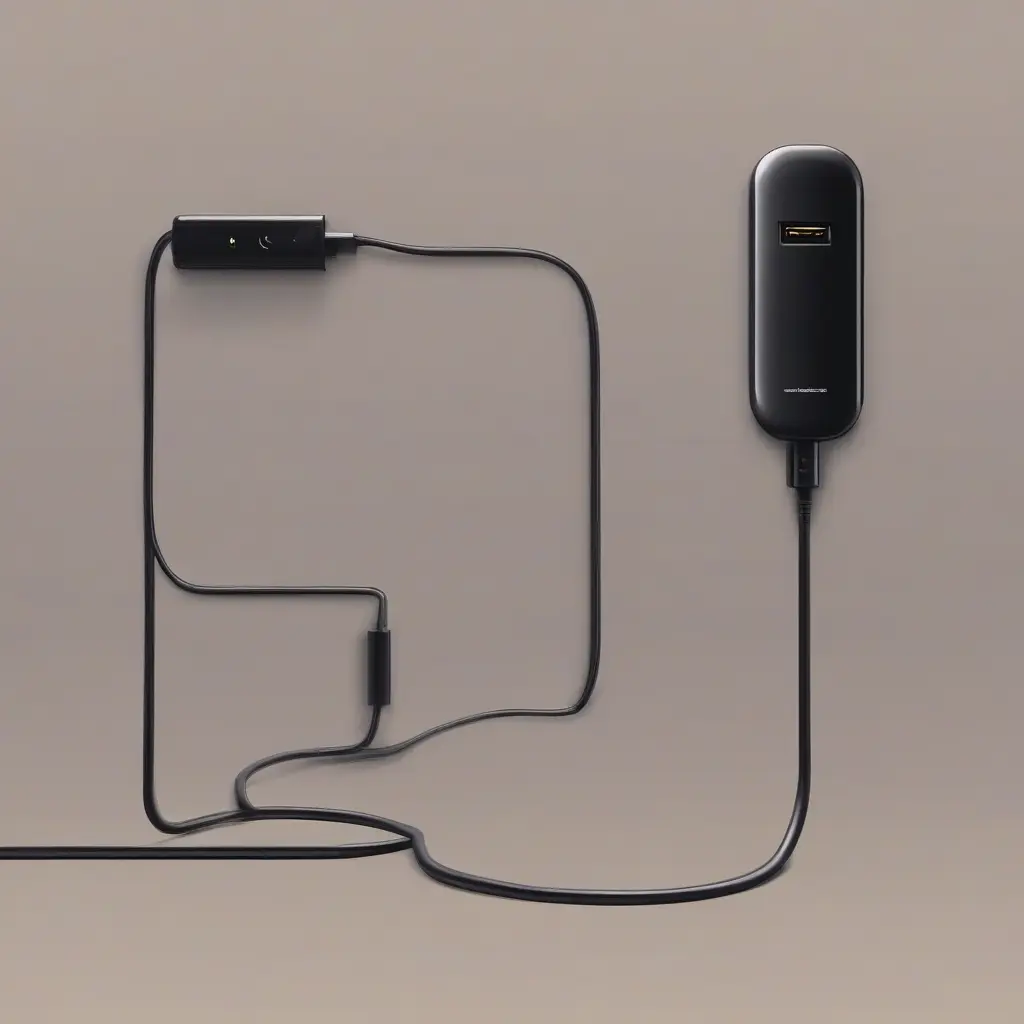
In today’s fast-paced digital world, understanding the charging capabilities of our devices is crucial. Many users encounter questions about the compatibility of regular chargers with fast charging. Is it possible to use a standard charger to achieve quick charging speeds? This article aims to debunk myths and clarify facts surrounding this topic, giving you a deeper insight into the mechanisms of chargers and compatibility. From understanding charging speeds to recognizing the hardware differences, we will cover all aspects related to chargers—ensuring you know exactly what to expect.
Understanding Fast Charging Technology
Fast charging technology allows devices to replenish their batteries more quickly than traditional methods. This is achieved through higher power delivery, often enabled by technologies like Qualcomm Quick Charge, USB Power Delivery, or proprietary systems from manufacturers. When a device supports fast charging, it can draw more current from a compatible charger, significantly reducing charging times. Understanding this technology is essential if you want to maximize the efficiency of your charging routine and future-proof your device usage.
Difference Between Regular and Fast Chargers
Regular chargers typically deliver standard voltage and current, often around 5 volts and 1-2 amps, which results in slower charging. Fast chargers, on the other hand, can provide higher voltages (like 9V or 12V) and increased amperage, allowing devices to charge significantly faster. This difference is primarily due to the technology inside the charger and the cables used. Not all devices are compatible with fast charging, making it essential to understand your device specifications before purchasing a charger.
Using a Regular Charger for Fast Charging
Using a regular charger for fast charging will not harm your device, but it won’t deliver the faster charging speeds that fast chargers provide. The device will recognize the power output and adjust accordingly, charging at the maximum rate the standard charger can handle. Although this means you can still charge your device, expect longer charging times. If you’re in a pinch without access to a fast charger, a regular one will still perform adequately, just not as efficiently.
Common Myths About Charging
There are several myths surrounding charging that often confuse users. One prevalent myth is that using any charger can damage a device. While it’s true that not all chargers are created equal, most reputable chargers have built-in safety features to prevent overloading or damage. Another myth is that you must fully drain your battery before charging; however, modern lithium-ion batteries do not require this practice to maintain their lifespan, allowing users to charge when convenient.
Optimal Charging Practices
To ensure the longevity of your device’s battery, it’s essential to follow optimal charging practices. Using the manufacturer’s official charger is typically best, as it will provide the correct voltage and amperage. Additionally, keeping your battery between 20% and 80% charged can prolong its lifespan. Avoid exposing your device to extreme temperatures while charging, as heat can accelerate battery degradation. Following these practices will help maintain battery health over time and improve your overall charging experience.
Impact of Cable Quality
The quality of the charging cable plays a critical role in the performance of fast charging. Not all cables can support high power delivery, and using substandard or damaged cables may limit charging speeds. Investing in high-quality cables that are certified for fast charging can ensure optimal performance. Look for cables that specify compliance with standards like USB-C or Quick Charge, as these are designed to handle higher currents effectively, enhancing the overall charging experience.
Future Trends in Charging Technology
As technology advances, charging methods continue to evolve, with innovations like wireless charging and ultra-fast charging on the horizon. Wireless charging, while convenient, currently cannot match the speeds of wired fast charging. However, research is underway to improve wireless technology significantly. In addition, companies are working on developing chargers that can handle even higher power outputs, potentially reducing charging times to mere minutes. Staying informed about these trends will help users make educated choices about their charging needs.
Conclusion
In summary, while you can use a regular charger for fast charging, you won’t benefit from the reduced charging times that a proper fast charger provides. Understanding the differences between chargers and the technology behind them empowers users to make informed decisions. By debunking common myths and following optimal charging practices, you can enhance your device’s battery life and performance. As the charging landscape continues to evolve, being aware of new technologies and best practices will keep you ahead of the curve.