
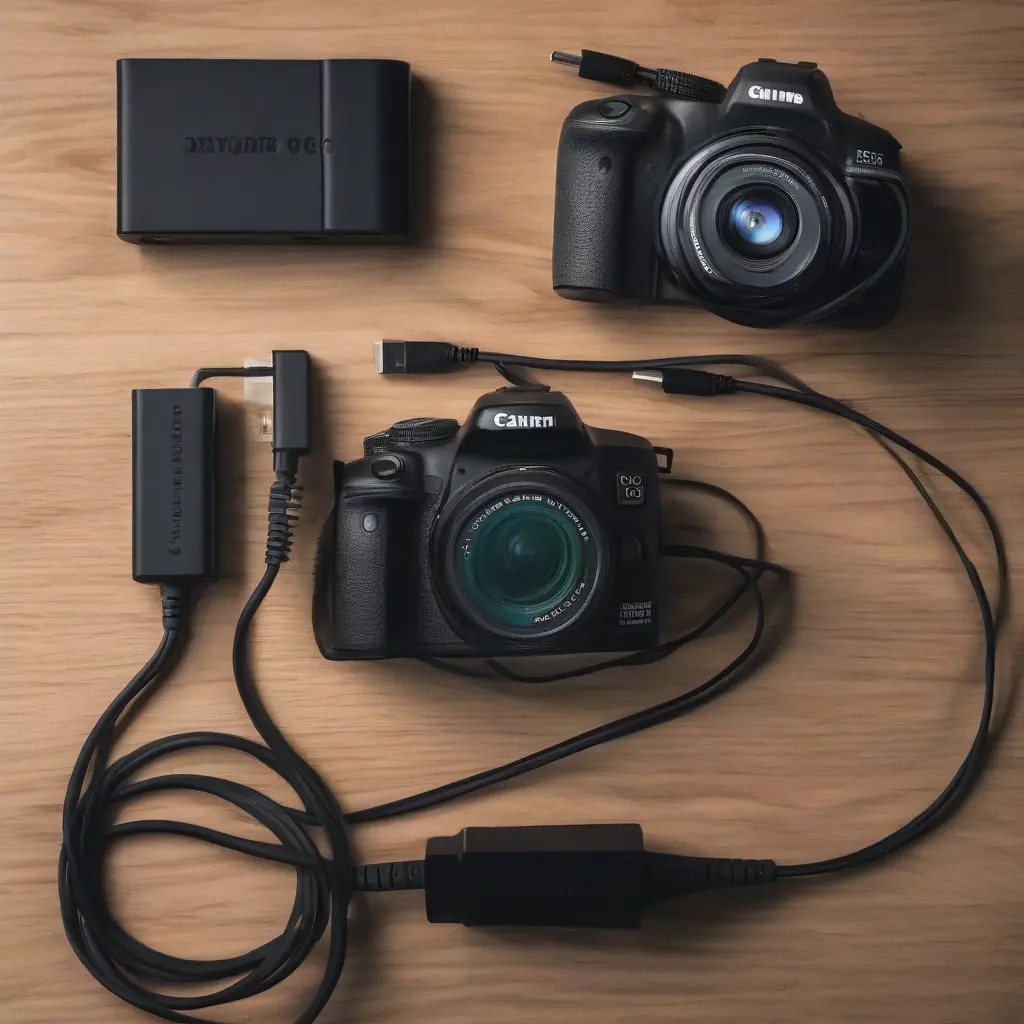
For photographers, having the right equipment is crucial, and that includes reliable charging cables. High-quality charging cables ensure your camera and accessories are always powered and ready for the next shot. In this article, we will explore the best charging cables available for photographers, their unique features, and what to consider when making your selection. Whether you are a professional or an enthusiast, understanding the options available can enhance your photography experience.
Importance of Quality Charging Cables
Quality charging cables are vital for photographers who need a reliable power source for their cameras and accessories. Using subpar cables can result in slow charging, data transfer issues, or even damage to your equipment. High-quality cables, on the other hand, ensure fast charging and secure connections, allowing photographers to focus on capturing the perfect shot instead of worrying about battery life. Choosing cables from reputable brands will often lead to superior durability, making them worthwhile investments for professional photographers.
Types of Charging Cables for Cameras
There are several types of charging cables that photographers might consider, depending on their equipment. USB-C, Micro USB, and proprietary cables are common options in the market. USB-C cables are gaining popularity due to their compatibility with many modern devices and support for fast charging capabilities. Micro USB remains prevalent among older devices, while proprietary cables are often model-specific, tailored to a single brand or camera line. Knowing which type of cable works best with your camera can help avoid compatibility issues.
Key Features to Look For
When selecting charging cables for photography, several key features should be considered. Look for cables that support fast charging to minimize downtime during shoots. Data transfer capabilities are also important, especially if you plan to use the cable for tethering your camera to a computer. Durability is another significant factor; cables made with high-quality materials are less likely to fray or break. Additionally, consider cable length; longer cables provide more flexibility, allowing photographers to set up their gear comfortably.
Best USB-C Charging Cables for Photographers
USB-C cables are a top choice for photographers, and several options stand out in the market. The Anker PowerLine II USB-C to USB-C cable is well-regarded for its durability and fast charging capabilities. Another excellent option is the Belkin USB-C to USB-C cable, offering robust performance and reliable data transfer. Both cables provide impressive lengths, ensuring that photographers have enough reach when working in various scenarios. Choosing a high-quality USB-C cable is essential for photographers who prioritize fast charging and versatility.
Top Micro USB Charging Cables
Micro USB cables are still widely used in the photography realm. The AmazonBasics Micro USB 2.0 cable is popular for its affordability and reliable performance. Another noteworthy option is the Anker PowerLine Micro USB cable, known for its exceptional durability and tangle-free design. These cables are ideal for photographers using older camera models, and their compatibility makes them a staple in many camera bags. Selecting a sturdy and efficient Micro USB cable will ensure your camera remains powered during long shoots.
Proprietary Charging Cables: Camera-Specific Options
Many camera brands offer proprietary charging cables that are designed specifically for their models. These cables ensure optimal performance and compatibility but may come with a higher price point. Brands like Canon, Nikon, and Sony provide dedicated cables for their respective cameras. While proprietary cables may limit versatility, they often guarantee the best charging efficiency and data transfer rates for specific devices. When investing in a new camera, checking whether a proprietary cable is included can save time and offer peace of mind.
Charging Cables with Extra Features
Some charging cables come with additional features that cater specifically to photographers’ needs. For instance, cables with built-in LED indicators can alert users to charging status, ensuring equipment is ready when needed. Others may include braided designs for enhanced durability, making them resistant to wear and tear. Additionally, some cables are designed for fast data transfer, allowing photographers to quickly back up images from camera to computer without delay. These extra features add value and convenience, helping photographers manage their gear effectively.
Maintaining Your Charging Cables
Proper maintenance of charging cables is essential for longevity and reliability. Avoid yanking on cables when disconnecting them, as this can cause damage over time. Instead, grasp the connector firmly for a more gentle disconnection. Additionally, keeping cables tangle-free and storing them in a designated pouch can prevent fraying and kinks. Regularly checking for wear and tear is also important; replacing damaged cables promptly contributes to maintaining safe charging practices and minimizes potential issues during shoots.
Where to Buy Charging Cables for Cameras
Finding the right charging cables can be done through a variety of sources. Online platforms such as Amazon or specialized electronics retailers typically offer a wide selection of options, allowing photographers to compare prices and specifications. Local camera shops also stock charging cables tailored to specific models, which can provide immediate access without waiting for shipping. Reading product reviews and customer feedback can further assist in selecting high-quality cables, ensuring that photographers make informed decisions based on others’ experiences before purchasing.
Conclusion
Selecting the right charging cables is a critical part of a photographer’s toolkit. By understanding the various types, features, and where to buy these cables, photographers can ensure their equipment remains powered and ready for any opportunity. Investing in high-quality cables tailored to specific needs can improve overall workflow and reliability during shoots. Prioritizing durability, compatibility, and extra features will enhance the photography experience, ensuring every moment is captured seamlessly.