
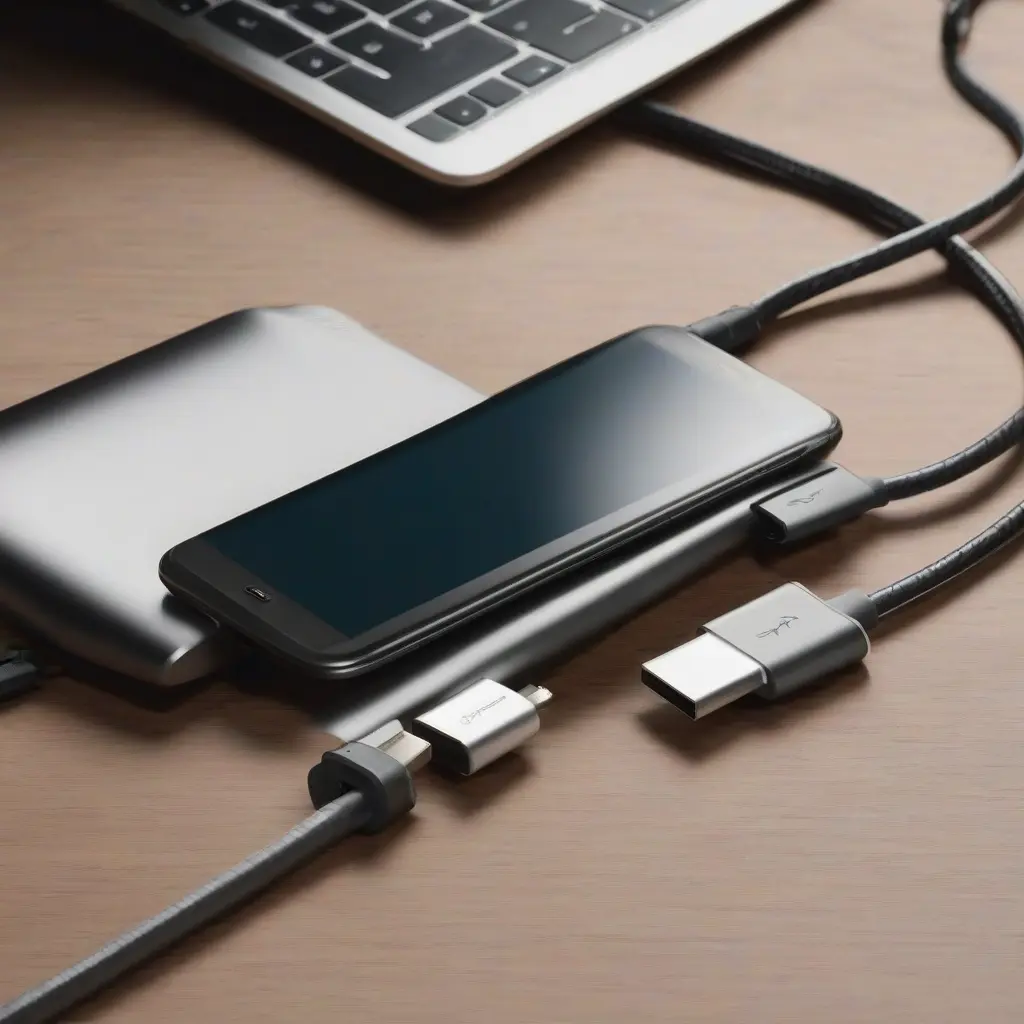
In today’s tech-driven world, choosing the right charging cable can significantly affect your device’s performance and compatibility. Two of the most common types of charging cables are USB-C and Micro USB. While Micro USB has been a staple for various devices for years, USB-C is gaining popularity due to its versatility and faster charging capabilities. This article delves into the differences between these two cables, their advantages and disadvantages, compatibility issues, and which one may be the best choice for your needs.
What is USB-C?
USB-C is a modern charging cable developed to replace earlier USB standards. First introduced in 2014, it features a reversible design, allowing users to connect devices without worrying about the orientation of the plug. USB-C supports various protocols, including data transfer, video output, and charging, making it versatile for different applications. With its higher power delivery capabilities, a single USB-C cable can charge smartphones, laptops, and other devices, streamlining the number of cables needed in everyday life.
What is Micro USB?
Micro USB, introduced in 2007, has been a standard charging cable for many smartphones and devices. Smaller than its predecessor, the standard USB, Micro USB has a compact design that fits conveniently into slimmer devices. While Micro USB has served well for data transfer and charging, it lacks the advanced features of USB-C, such as faster charging capabilities and supporting higher data transfer rates. Many users still rely on Micro USB for compatible older devices, but its usage is decreasing as technology evolves.
Key Differences Between USB-C and Micro USB
The primary differences between USB-C and Micro USB lie in their design and capabilities. USB-C is reversible and supports faster data transfer and higher power delivery, making it suitable for a range of devices. In contrast, Micro USB has a specific orientation for insertion and offers limited charging and data rates. Additionally, USB-C can support various protocols, while Micro USB is primarily focused on charging and basic data transfer, illustrating the advancements in modern technology.
Advantages of USB-C
USB-C offers several advantages that make it a preferred choice among modern users. One significant benefit is its universality; supporting many devices from smartphones to laptops, USB-C reduces the need for multiple cables. Furthermore, USB-C allows for faster charging capabilities, making it a convenient option for those constantly on the go. The ability to transfer data at higher speeds, along with being able to connect to displays for video output, showcases why USB-C is becoming the industry standard.
Disadvantages of USB-C
Despite its advantages, USB-C does come with some drawbacks. The primary concern is the potential for compatibility issues, as not all devices may currently support the latest USB-C standards. Additionally, USB-C cables can vary in quality, leading to a risk of subpar charging speeds or data transfer rates if users choose cheaper options. For those who have invested heavily in Micro USB devices, transitioning to USB-C may also involve additional expenses for new accessories and adapters.
Advantages of Micro USB
Micro USB has the advantage of being widely used and inexpensive, making it readily available for most consumers. Many older devices still utilize Micro USB, which means existing users often have multiple cables on hand. Additionally, the durability of Micro USB connectors, coupled with their proven track record, makes them a reliable choice even as newer technologies emerge. For those unwilling or unable to upgrade immediately, Micro USB remains a practical solution for basic charging needs.
Disadvantages of Micro USB
Micro USB has notable limitations, particularly regarding technology advancements. The slower data transfer and charging rates compared to USB-C can lead to longer wait times for users, especially when powering devices like tablets or larger smartphones. Moreover, the non-reversible design can create frustration when trying to connect in low-light conditions. As technology progresses, Micro USB’s relevance starts to wane, making it less appealing for new device purchases.
Compatibility Considerations
Compatibility is a crucial factor when deciding between USB-C and Micro USB. USB-C is increasingly adopted in new devices, particularly smartphones and laptops, but many legacy devices still utilize Micro USB. Users with older models or accessories may find it challenging to transition to USB-C without purchasing adapters or new accessories. It’s essential to evaluate your current devices and consider how quickly you intend to upgrade before making a decision on the type of charging cable to invest in.
Future Trends in Charging Technology
The trend towards adopting USB-C is expected to grow as manufacturers phase out Micro USB in favor of more advanced technology. Innovations like Power Delivery (PD) are making USB-C cables even more capable, allowing for faster charging and data transfer. Additionally, USB-C is also integrating with other technologies, including Thunderbolt 3 and 4, which enhances its versatility. As devices evolve, embracing USB-C seems to be a smart move for users who want to future-proof their technology.
Choosing the Right Charging Cable for Your Needs
Choosing the right charging cable ultimately depends on your specific use case and device compatibility. If you primarily use older devices that still support Micro USB, it may be beneficial to stick to that standard until an upgrade is necessary. However, for those investing in new technology, USB-C offers a promising solution with its versatility and faster capabilities. Assess your current devices and anticipate future upgrades to make the most informed decision regarding your charging needs.
Conclusion
In conclusion, the choice between USB-C and Micro USB hinges on individual needs and device compatibility. While USB-C is paving the way for future technology with its numerous advantages, Micro USB remains a reliable option for older devices. Understanding the key differences, advantages, and limitations of each cable can help users make an informed decision that best suits their everyday charging requirements.