
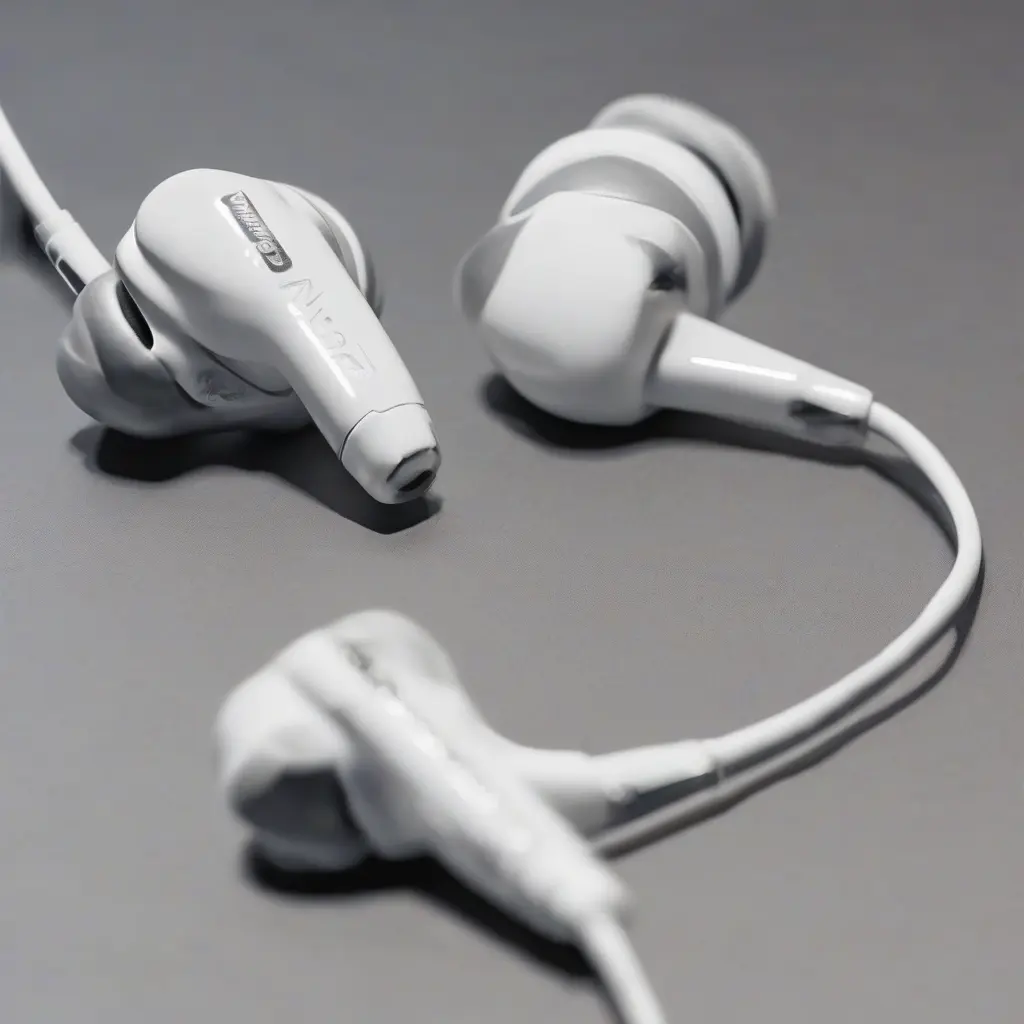
With the rise of portable audio devices, knowing how to properly adjust your earbuds can significantly enhance your listening experience. Utilizing equalizer settings can transform ordinary sound into a personalized auditory journey. By understanding how different frequency adjustments affect the overall output, you can enjoy music, podcasts, and movies in ways that best suit your preferences. This article will guide you through the essentials of equalizer settings, helping you get the most out of your earbuds and tailor your sound profile to fit your unique tastes.
Understanding Equalizer Basics
An equalizer (EQ) is a tool that allows users to adjust the frequency balance of audio. Think of it as customizing the sound to suit your hearing preferences. Most equalizers have various frequency bands, usually ranging from 31 Hz to around 16 kHz, which represent bass, midrange, and treble sounds. By tweaking these bands, you can increase or decrease specific ranges, thereby enhancing the clarity of vocals or the thump of the bass. Familiarizing yourself with these basics is crucial for successfully using an equalizer.
Types of Equalizers
Equalizers come in various types, each offering different levels of control over sound frequencies. Graphic equalizers feature a fixed number of frequency bands and allow you to adjust their gain levels using sliders. Parametric equalizers offer a more advanced approach, enabling fine-tuning by adjusting not only the gain but also the frequency and bandwidth. There are also software-based equalizers that you can find in music apps, offering a convenient way to customize sound on-the-go. Understanding these types helps you choose the right tool for your preferences.
Finding the Right Sound Profile
Creating a sound profile that appeals to your listening habits is essential for enjoying audio. Different genres of music may benefit from distinct EQ settings; for instance, classical music might require a more balanced sound, while hip-hop may thrive with boosted bass levels. Experimentation is key, so take the time to tweak the settings while listening to various audio tracks. Once you identify a profile that resonates with you, it can maximize the enjoyment of your favorite songs and playlists.
Adjusting Bass Levels
Bass levels play a pivotal role in how you experience music. For genres like electronic dance music (EDM) or hip-hop, having a strong bass presence can be crucial. To enhance bass, boost the lower frequency bands on your equalizer. However, be cautious not to overdo it, as excessive bass can lead to distortion, negatively affecting the overall audio quality. Finding that perfect balance is essential for an enjoyable listening experience, especially when using earbuds that might have limitations in bass response.
Enhancing Treble for Clarity
Treble controls higher frequencies that affect the brightness and clarity of sound. Boosting these frequencies can enhance vocal clarity in music and make instruments sound more vibrant. In genres like pop and rock, emphasizing treble can ensure that vocals stand out. However, too much treble can cause listening fatigue and harshness. Adjusting treble settings in moderation ensures that you maintain clarity without sacrificing comfort, making it an important aspect to consider when customizing your sound.
Utilizing Presets
Many equalizers come equipped with built-in presets designed for various genres or listening environments. These presets can simplify the process of finding a starting point for your sound preferences. For example, a ‘rock’ preset may enhance certain frequencies that are common in that genre. While presets are helpful, they often serve as starting points; personalizing them further can lead to an even better audio experience. Make use of these presets, but don’t hesitate to tweak them for a unique fit.
Experimenting with Equalizer Settings
The best way to find your ideal sound is through experimentation. Don’t hesitate to play around with different frequency settings while listening to familiar tracks. Try adjusting one band at a time and assess how each change impacts the overall sound. Take notes on the settings that resonate with you over time, as this can help you appreciate the nuances in different genres and recordings. The art of equalization is subjective; thus, your personal preferences will ultimately dictate the outcome.
Understanding Sound Quality
It’s important to recognize that the quality of the audio source greatly influences the effectiveness of equalizer settings. High-quality, lossless audio files enable the best output from your earbuds, allowing you to appreciate the nuances of EQ adjustments fully. On the other hand, low-quality sources may result in a lackluster experience, even with the perfect EQ settings. Therefore, investing in high-quality music files or streaming services can significantly elevate your listening enjoyment.
Maintaining Your Earbuds
Proper maintenance of your earbuds is essential for optimal performance. Regularly cleaning the ear tips and ensuring that the drivers are free of debris can help preserve sound quality. Additionally, storing your earbuds in a case when not in use can prevent damage and prolong their lifespan. When your earbuds are functioning at their best, they more accurately reflect the quality of your EQ settings, allowing you to enjoy music as intended.
Conclusion
Getting the most out of your earbuds with effective equalizer settings requires an understanding of sound differentiation and personal preferences. By exploring various frequency adjustments, utilizing presets intelligently, and maintaining high audio quality, you can significantly enhance your listening experience. Ultimately, experimenting to find the right balance for your tastes is crucial, ensuring that each auditory moment is tailored to your liking.