
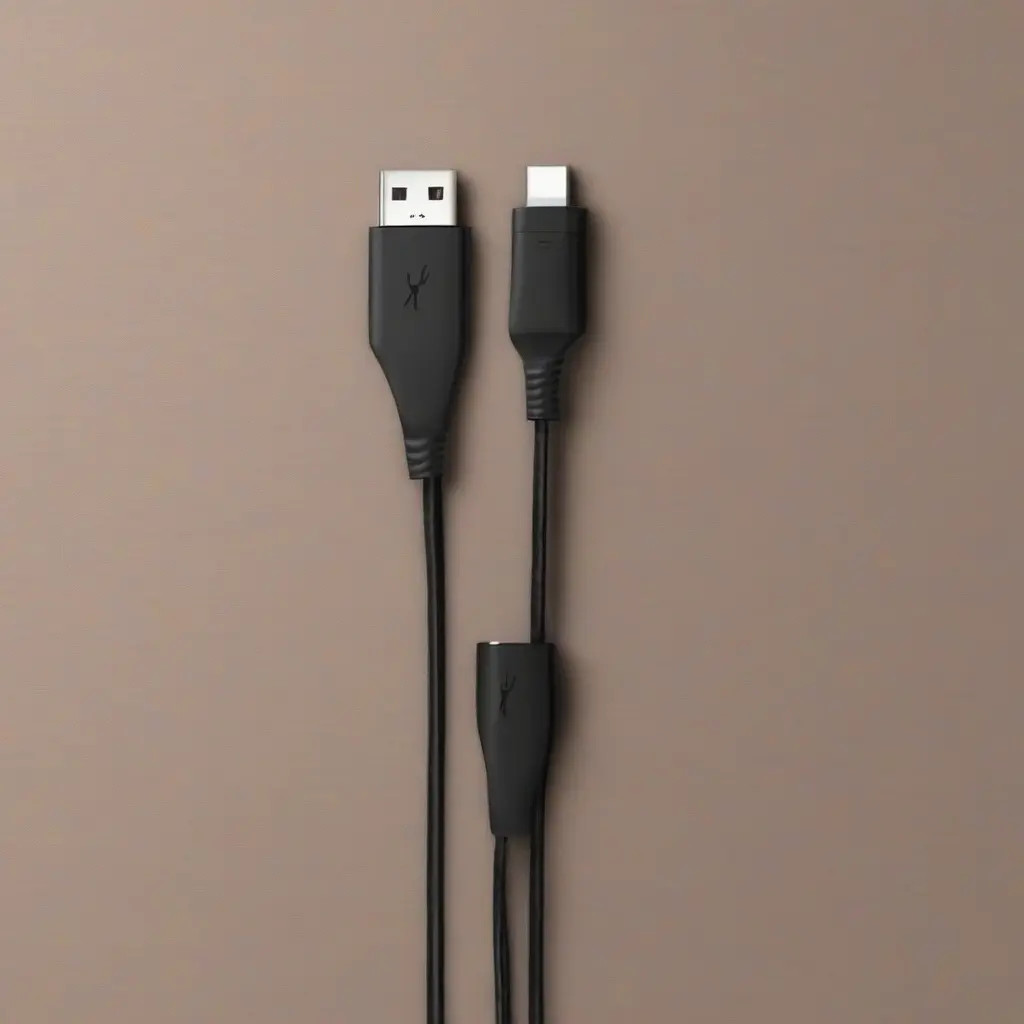
Selecting the right charging cable can greatly enhance your charging experience, ensuring efficiency and safety for your devices. With numerous options available, knowing which features to prioritize is crucial. A good quality charging cable not only ensures speedy data transfer and charging but also provides durability and compatibility with your devices. This guide explores key characteristics to help you make an informed decision. Whether you’re buying a cable for personal use or gifts, understanding what to look for can save time and prevent future frustrations.
Durability and Build Quality
When choosing a charging cable, durability and build quality are paramount. Look for cables that feature reinforced connectors and resilient materials, such as nylon braiding or rubberized coatings. These materials not only enhance longevity but also prevent fraying and breakage, common problems with cheaper cables. Additionally, check for strain relief at the connection points. This ensures that the cable can withstand bending and pulling, extending its lifespan significantly. A durable cable will provide peace of mind, especially if you intend to use it in various environments.
Length and Flexibility
The length of a charging cable can significantly affect its convenience and usability. Standard lengths range from 1 to 10 feet, and your choice should reflect your specific needs. Shorter cables are often easier to manage in tight spaces, while longer cables provide flexibility for use from greater distances, such as charging from across the room. Additionally, consider flexible cables that can easily bend without damaging the internal wiring. This flexibility can greatly enhance portability, making it easier to store and transport your cable without worrying about kinks or breaks.
Charging Speed and Data Transfer Rate
Not all charging cables are created equal when it comes to speed. Look for cables that support fast charging standards, such as Power Delivery or Quick Charge, to ensure rapid power transfer. Check the specifications for the cable to understand its maximum charging speed, usually measured in amperes (A). Additionally, consider the data transfer rates if you plan to use the cable for syncing your devices. High-quality cables support USB 3.0 or newer standards, providing faster data transfer speeds, which is essential for transferring large files efficiently.
Compatibility with Devices
Ensure that the charging cable you select is compatible with the devices you own. Different devices utilize various charging standards, such as USB-C, Lightning, or Micro USB. Using the appropriate cable for your device not only ensures efficient charging but also protects the device’s battery health. Some cables also come with interchangeable connectors to enhance compatibility across devices. Always check product specifications to confirm compatibility, especially when purchasing for specific devices like smartphones, tablets, or laptops.
Safety Features
Safety is a crucial aspect when it comes to charging cables. Look for cables that come with built-in safety features such as over-current, over-voltage, and short-circuit protection. These features help prevent potential hazards like overheating or battery damage. Additionally, certifications like UL or CE can assure you that the cable has undergone rigorous safety testing. Investing in a cable with these safety features can protect not only your devices but also you, providing peace of mind when charging your gadgets.
Price Considerations
While it can be tempting to opt for the cheapest charging cable available, consider the price relative to quality and longevity. Higher-quality cables may come at a slightly elevated cost, but they often provide better performance, durability, and safety features. Look for reputable brands and read reviews before making a purchase. It’s also worth noting that investing in a good-quality cable can be more economical over time, as you’ll avoid the frequent replacements that come with cheaper, lower-quality options.
User Reviews and Recommendations
Before settling on a charging cable, take the time to read user reviews and expert recommendations. Customer feedback can provide insights into a cable’s performance, durability, and any issues encountered. Look for comments on the cable’s real-world charging speed and build quality. Websites and forums dedicated to tech reviews often compile extensive information that can help you make an informed decision. Learning about others’ experiences can save you from potential disappointments and guide you toward the best options.
Environmental Considerations
As sustainability becomes increasingly important, consider the environmental impact of your charging cable choices. Some manufacturers focus on producing eco-friendly cables that use recyclable materials or sustainable production processes. Checking for certifications such as RoHS can indicate that the product complies with environmental laws concerning harmful substances. Selecting an environmentally responsible cable not only diminishes your ecological footprint but also encourages manufacturers to emphasize sustainability in their practices, benefiting the planet as a whole.
Conclusion
In conclusion, selecting a high-quality charging cable involves considering a variety of key features, including durability, compatibility, safety, and price. By focusing on these aspects, you can ensure a better user experience and a longer lifespan for your cable. Whether it’s for fast charging, data transfer, or general usage, understanding what to look for will equip you to make informed choices, ultimately leading to better performance and satisfaction with your devices.