
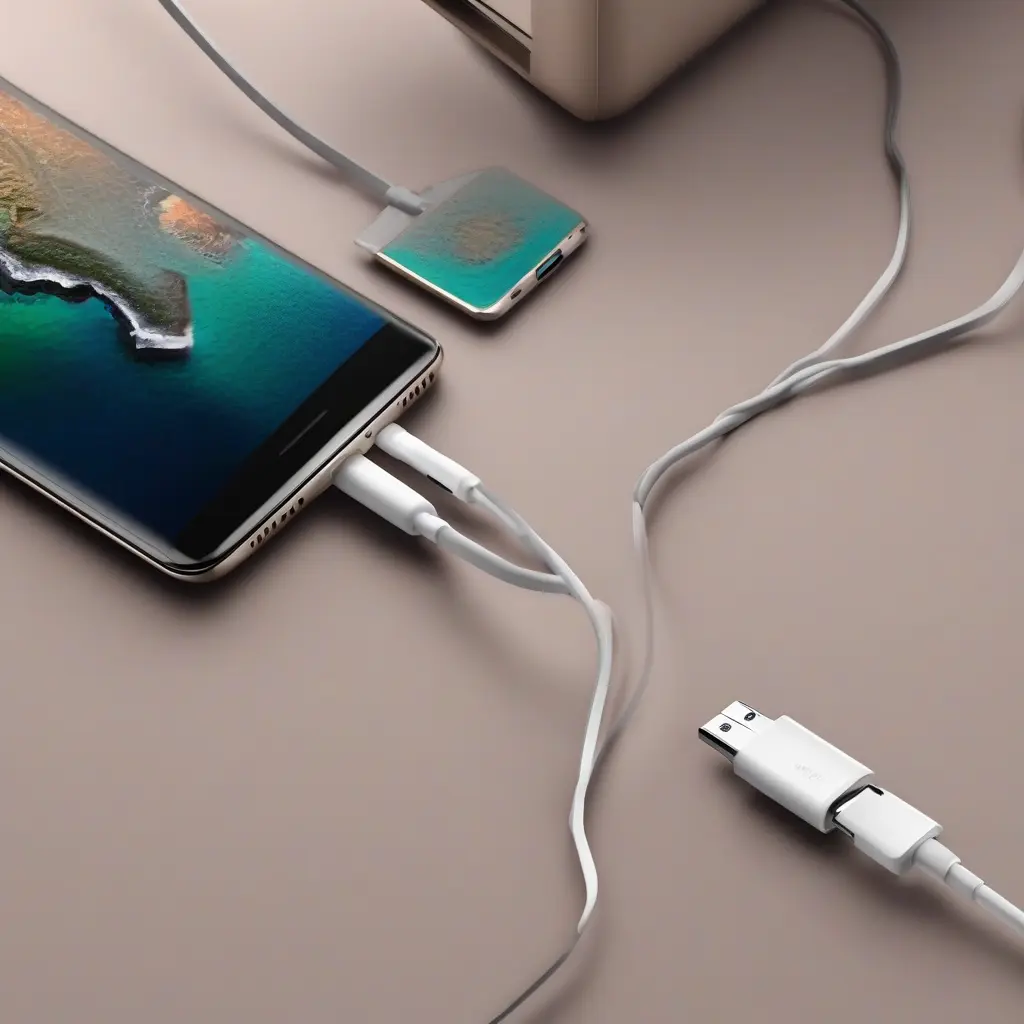
USB-C has emerged as a game-changer in the world of electronic charging. With its sleek design and multifunctional capabilities, USB-C is rapidly becoming the standard for charging laptops, smartphones, tablets, and even peripherals. This versatile connector not only simplifies the charging experience but also enhances data transfer speeds significantly. As more devices adopt USB-C technology, the need for multiple cables and chargers is diminished, providing consumers with a seamless charging solution that is efficient and user-friendly.
What is USB-C?
USB-C, or Universal Serial Bus Type-C, is a standard for connecting devices that offers a reversible connector design. Unlike its predecessors, USB-C allows users to plug in the cable either way, providing a more convenient experience. This universal standard supports a wide range of functionalities beyond just power delivery, including data transfer and video output. With its growing adoption across multiple devices, USB-C is positioned to become the dominant charging interface in the market.
Faster Charging Speeds
One of the standout features of USB-C is its ability to deliver higher charging speeds compared to older USB standards. USB-C can provide power delivery of up to 100 watts, allowing for rapid charging of larger devices like laptops in a fraction of the time it would take with traditional chargers. This capability not only saves users valuable time but also enhances the overall efficiency of charging devices, making it particularly appealing for those who are always on the go.
Universal Compatibility
USB-C’s design promotes universal compatibility across various devices, eliminating the need for multiple cables. This means that a single USB-C charger can effectively power a laptop, smartphone, or tablet. Such versatility is especially advantageous for consumers who own different devices from various manufacturers. By promoting standardization, USB-C also reduces electronic waste, contributing positively to environmental sustainability efforts.
Data Transfer Efficiency
Beyond charging capabilities, USB-C offers impressive data transfer speeds. It supports USB 3.1 and USB 3.2 standards, allowing for transfer rates of up to 20 Gbps. This makes it ideal for professionals and content creators who frequently transfer large files between devices. The ability to transfer data and power simultaneously further adds to the convenience, ensuring that users can manage multiple tasks without needing multiple connectors.
Impact on Accessories
The shift to USB-C is significantly affecting the ecosystem of charging accessories. Many manufacturers are now focusing on creating USB-C-compatible chargers, cables, and adapters to meet the rising demand. This transition facilitates not just better functionality but also fosters innovation, as new accessories that leverage the strengths of USB-C technology emerge. As a result, users have access to an expanding range of gadgets designed to enhance their experience.
Potential Challenges
Despite its advantages, the widespread adoption of USB-C does come with certain challenges. Transitioning from older USB types may cause inconvenience for users with existing devices that do not support USB-C. Additionally, the market has seen an influx of low-quality cables and chargers, which can pose safety risks. Educating consumers on how to identify reliable products is crucial to ensure a smooth transition to USB-C technology.
Future of USB-C
The future of USB-C looks promising as technology continues to advance. Manufacturers are increasingly incorporating USB-C in new devices, hinting at a growing trend towards universal charging solutions. Continued improvement in power delivery and data transfer capabilities suggests that USB-C could soon handle more than just charging. There are discussions around integrating USB-C with emerging technologies, such as augmented and virtual reality, which could reshape our interaction with digital devices.
Consumer Adoption
Consumer adoption of USB-C is gaining momentum, particularly among tech-savvy individuals and professionals. As more devices hit the shelves with USB-C compatibility, users are realizing the practicality and ease of having a universal charging solution. This growing acceptance encourages manufacturers to innovate further and incorporate USB-C in a wide range of products, from smartphones and laptops to home appliances, suggesting that USB-C is here to stay.
Conclusion
In conclusion, USB-C is revolutionizing the charging landscape with its fast speeds, universal compatibility, and efficient data transfer capabilities. As more devices embrace this technology, consumers can expect a simplified and enhanced charging experience. However, ongoing education about quality standards and potential challenges will be essential to ensure a smooth transition. USB-C is not just a charging solution; it’s paving the way for more integrated and connected devices in the future.