
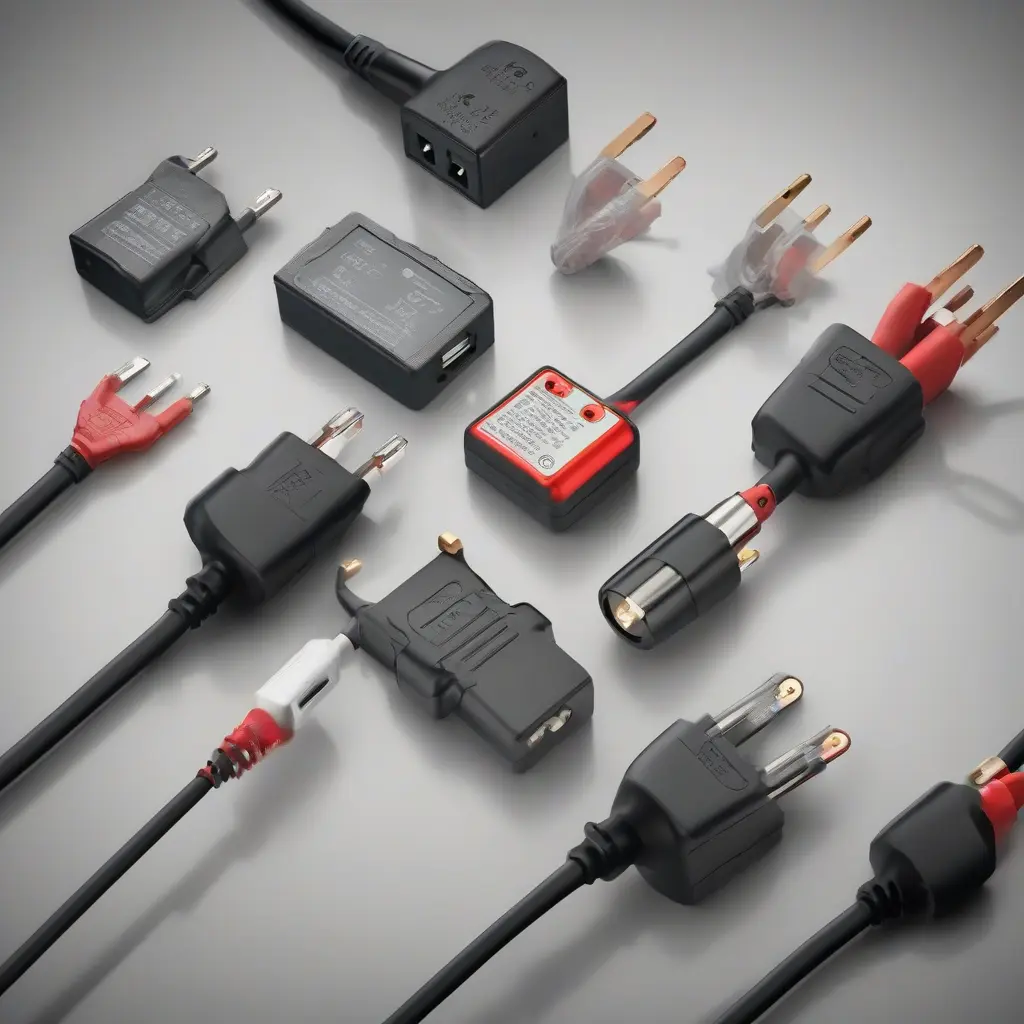
Charging cables are essential for powering our devices, but many users often overlook the critical roles of ampere and voltage in this process. Understanding the relationship between these two electrical properties can significantly enhance your ability to select the right charging cable for your needs. Ampere, representing the flow of electric current, affects charging speed, while voltage dictates the potential energy supplied to a device. This article aims to clarify these concepts and their importance in choosing the appropriate charging cables for your devices.
What is Ampere?
Ampere, often referred to as ‘amps’, is a unit of measurement for electric current. It indicates the volume of charge flowing through a circuit per unit time. In practical terms, when a charging cable is rated for a specific number of amps, it signifies how much current the cable can safely deliver to a device. For instance, a cable rated for 2 amps can supply more current per hour than one rated for 1 amp. This higher amperage typically correlates with faster charging times, assuming the device and charger can support it.
What is Voltage?
Voltage, measured in volts, represents the electrical potential difference between two points in a circuit. In the context of charging cables, voltage affects the amount of energy delivered to a device for charging. Each device operates within a specific voltage range that must be met for optimal performance. If the voltage is too low, the device may charge slowly or not at all. Conversely, excessively high voltage can damage the device’s battery or internal components. Understanding voltage ratings is essential for ensuring compatibility between chargers and devices.
The Relationship Between Ampere and Voltage
Ampere and voltage are closely related, as they together determine the power delivered to a device. Power, measured in watts, is calculated by multiplying voltage (V) by current (A). This relationship shows that higher voltage can compensate for a lower amperage to achieve the same power output. For instance, a charger providing 5 volts at 2 amps delivers 10 watts of power, while one supplying 10 volts at 1 amp delivers the same power. Users should be aware of both ratings to ensure their devices receive adequate charging while avoiding potential damage.
Importance of Choosing the Right Amperage
Selecting the right amperage for a charging cable is vital for ensuring safe and efficient charging. Using a cable with lower amperage than recommended can lead to slow charging times, while using one with higher amperage may be dangerous without the proper safeguards. Devices are generally designed to accept specific amperage levels, and exceeding this can generate excess heat, potentially damaging the battery over time. Always consider the device specifications and choose cables that meet or exceed the manufacturer’s recommendations for optimal performance.
Understanding Charging Speed
Charging speed is influenced by both current (ampere) and voltage. Higher amperage generally leads to faster charging, but compatibility with the device’s power management system is crucial. Devices designed for fast charging can often utilize higher amperages safely, whereas others may not support such features, leading to ineffective charging. To achieve the best results, users should invest in charging cables and adapters that match their device’s fast charging capabilities, ensuring both efficiency and safety.
The Impact of Cable Quality
The quality of a charging cable can also influence how effectively it transmits amperage and voltage. Inferior materials may lead to resistance, which can reduce the current flowing through the cable and cause energy loss in the form of heat. High-quality cables are designed to minimize resistance, ensuring that the full amperage and voltage reach the device. Users should look for cables with certifications, durable construction, and reviews highlighting their charging efficiency to guarantee satisfactory performance.
Potential Safety Risks
Using the wrong amperage or voltage in charging cables can pose safety risks. Overcurrent can lead to overheating, while improper voltage may damage sensitive electronic components. To mitigate such risks, devices and chargers often have built-in safety mechanisms, but relying on these can be risky. Users should always use recommended chargers and cables, as specified by manufacturers, to safeguard their devices from possible hazards and ensure optimal charging conditions.
Common Myths about Charging Cables
Several myths surround charging cables, particularly regarding amperage and voltage. One prevalent misconception is that using a higher-rated cable will charge devices faster. While it’s true that higher amperage can enhance charging speed, the device must support it to benefit fully. Another myth is that all cables are the same; however, variations in build quality, material, and design can significantly affect performance and safety. It’s crucial for users to educate themselves on their equipment and avoid falling for these misconceptions.
Future Trends in Charging Technology
The future of charging technology looks promising, with trends indicating an increase in higher voltage and amperage capabilities. Innovations such as ultra-fast charging and wireless technology are becoming more prevalent, necessitating an understanding of how ampere and voltage will continue to play critical roles. As manufacturers continue to develop new standards and charging protocols, users will need to stay informed to select appropriate cables that meet evolving technology requirements, ensuring they can take full advantage of improvements in charging efficiency.
Conclusion
In conclusion, understanding the roles of ampere and voltage in charging cables is crucial for every user looking to optimize their device charging experience. By selecting the appropriate cables based on these factors, users can enhance charging efficiency while ensuring safety. Ultimately, informed choices about charging products can lead to longer device lifespans and improved performance.