
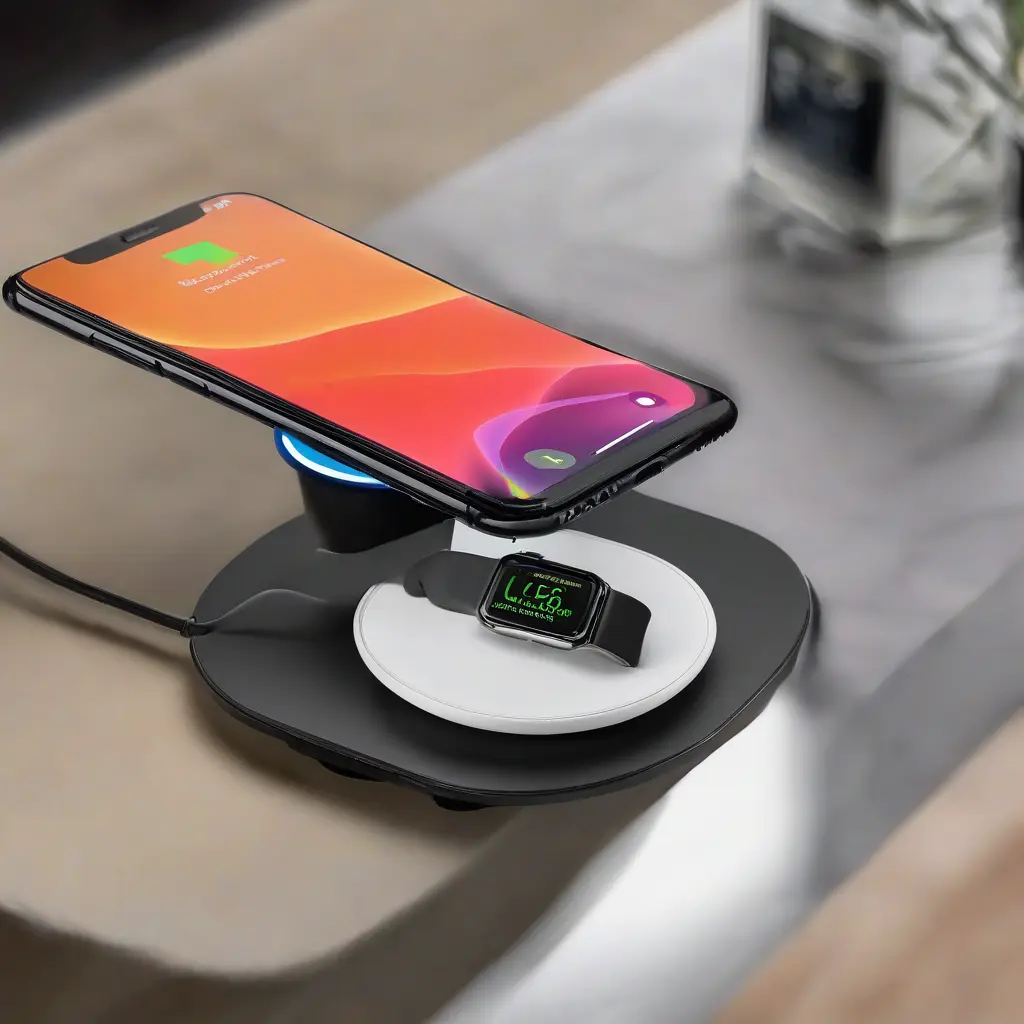
Wireless charging pads offer a modern solution for powering up your devices without the need for cables. As smartphones and other gadgets evolve, so do their charging methods. This guide aims to provide comprehensive information on wireless charging pads, including their types, benefits, compatibility issues, and essential features you should consider when selecting one. Understanding this technology can enhance your user experience and ensure you make an informed decision in today’s fast-paced tech environment.
What is Wireless Charging?
Wireless charging, also known as inductive charging, utilizes electromagnetic fields to transfer energy between two objects. The primary components include a charging pad and a receiver within the device. When aligned properly, an inductive coil within the pad creates a magnetic field that induces a current in the receiver coil, charging the device’s battery. This method allows for greater convenience as it eliminates the need for traditional charging cables, providing a seamless way to keep your devices powered.
How Does Wireless Charging Work?
The functioning of wireless charging relies on the principles of electromagnetic induction. When an electric current passes through a coil in the charging pad, it generates a magnetic field. This magnetic field induces an electrical current in another coil located in the receiving device. Modern wireless chargers typically operate using the Qi standard, allowing various devices to charge efficiently. The process is designed to be safe and energy-efficient, reducing the risk of overheating while maintaining a steady power flow.
Types of Wireless Charging Pads
Wireless charging pads come in various types, including standard pads, multi-device chargers, and stand-style chargers. Standard pads are flat and ideal for single-device charging, while multi-device chargers can simultaneously power multiple gadgets like smartphones and smartwatches. Stand-style chargers allow for comfortable viewing while charging, making them suitable for desks and nightstands. Each type has unique features, catering to different user preferences and charging needs.
Benefits of Wireless Charging Pads
Wireless charging pads offer numerous benefits that enhance user experience. They provide convenience by eliminating tangled cords, making it easier to charge devices without fuss. Additionally, they often feature smart technology, which can detect when compatible devices are present and adjust power levels accordingly. This not only prevents overheating but also prolongs battery life. Furthermore, many wireless charging pads are designed with sleek aesthetics, allowing them to blend seamlessly into home or office environments.
Compatibility Considerations
When selecting a wireless charging pad, compatibility is a crucial consideration. Not all devices support wireless charging, so it’s essential to check if your smartphone or gadget is Qi-enabled. Many modern devices, including flagship phones from major brands, support this technology. However, it’s important to verify the wattage requirements, as using a charger with insufficient power may lead to slower charging times. Always refer to the manufacturer’s specifications to ensure compatibility.
Charging Speeds Explained
Charging speeds for wireless pads can significantly vary depending on the technology used and the power output of the charger. Standard wireless charging usually provides up to 5W of power for slower charging, while more advanced models can offer fast charging capabilities of up to 10W or even higher for specific devices. It’s essential to pair your charging pad with a compatible device that can utilize these faster speeds to maximize efficiency. Understanding these speeds can aid in choosing the right pad for your charging needs.
Safety Features to Look For
Safety features are essential when it comes to wireless charging pads. Look for models that include overcharge protection, temperature control, and foreign object detection. Overcharge protections help prevent device damage from excessive charging, while temperature controls ensure that the pad doesn’t overheat during use. Foreign object detection can prevent accidents by identifying any items that may interfere with charging. Prioritizing these safety features can help ensure peace of mind while charging your devices.
Best Practices for Using Wireless Charging Pads
To maximize the benefits of wireless charging, it’s crucial to follow best practices. First, ensure that your charging device and pad are properly aligned, as misalignment can hinder charging efficiency. Clean both the charging surface and the back of your device to avoid debris interference. Additionally, avoid using thick cases that may obstruct charging; opt for cases specifically designed for wireless charging instead. Following these practices can enhance performance and prolong the life of both the charger and the device.
Comparing Wireless Charging Pad Brands
There are numerous brands offering wireless charging pads, each with unique features and pricing. Popular brands like Anker, Belkin, and Samsung are known for their reliability and efficiency. Consider factors such as build quality, customer reviews, and warranty options when comparing brands. While some brands may present premium options packed with features, others offer budget-friendly choices that still perform reliably. Researching different brands can help you find the right wireless charging pad tailored to your needs.
Environmental Impact of Wireless Charging
The environmental impact of wireless charging technology is a growing concern as more consumers adopt this method. While wireless charging can reduce the wear on charging ports and cables, it may also lead to energy consumption variations compared to traditional charging. Efficient chargers that automatically adjust power output can mitigate waste. Moreover, assessing the manufacturing practices and sustainability efforts of brands can further inform eco-conscious choices regarding wireless chargers, contributing to responsible consumerism.
Future of Wireless Charging Technology
Looking ahead, the future of wireless charging technology appears promising. Innovations such as resonance charging and longer-range wireless charging may revolutionize how devices are powered. These advancements could render charging pads obsolete, enabling effective charging over distance. Additionally, integrating wireless charging into furniture or vehicles presents a seamless user experience. As technology continues to evolve, prioritizing energy efficiency and user convenience will likely shape the landscape of wireless charging.
Conclusion
Wireless charging pads present a convenient and innovative solution for powering devices. With various types, benefits, and emerging technology, understanding how to choose and use a wireless charger effectively can significantly enhance your tech experience. By considering compatibility, safety features, and brand reputation, you can select a pad that meets your needs while contributing to a more streamlined charging routine.