
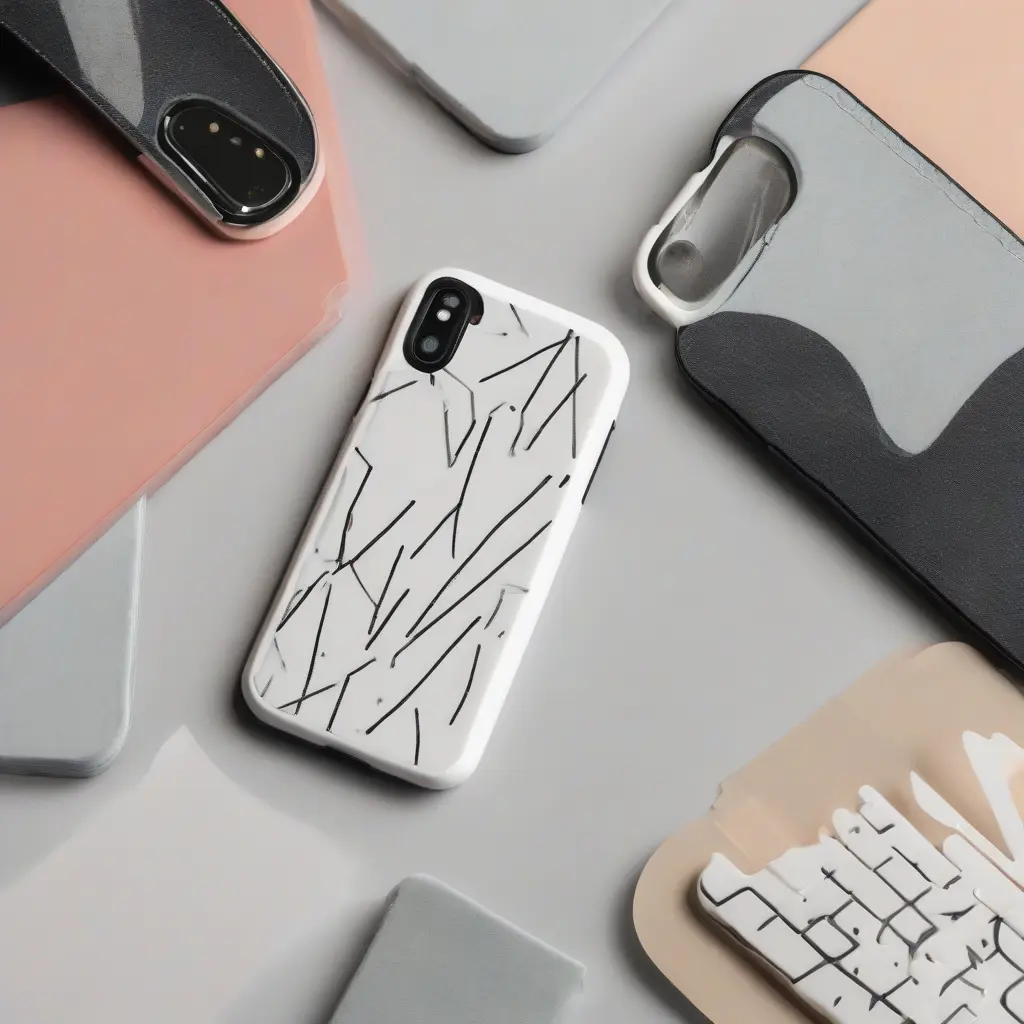
Minimalistic phone cases are becoming increasingly popular among consumers who value simplicity and functionality. These cases emphasize clean lines, understated design, and often focus on preserving the sleek profile of the phone while offering essential protection. As mobile devices continue to play a pivotal role in our lives, the demand for accessories that align with modern aesthetics is on the rise. This article explores the design principles, material choices, and functional benefits of minimalistic phone cases, shedding light on their appeal in today’s market.
What Are Minimalistic Phone Cases?
Minimalistic phone cases are designed to enhance the beauty of a smartphone without overwhelming it. Characterized by their simplicity, these cases often feature subtle colors, basic textures, and sleek profiles. Instead of bold graphics or elaborate patterns, they aim to provide a refined aesthetic. This design philosophy resonates with consumers seeking to express their style through understated elegance while maintaining the original look of their device. With various options available, minimalistic cases appeal to a broad audience, from students to professionals.
The Design Philosophy Behind Minimalism
The design philosophy of minimalism focuses on removing unnecessary elements to highlight the essential characteristics of an object. In the context of phone cases, this means stripping away excessive adornments and opting for designs that prioritize functionality and form. By emphasizing clean lines and simple shapes, minimalistic cases often invoke a sense of calm and order. This approach not only enhances the visual appeal but also allows users to appreciate their devices’ design without distractions, fostering a connection between the user and the technology.
Popular Materials for Minimalistic Phone Cases
The choice of materials plays a significant role in defining the effectiveness and appeal of minimalistic phone cases. Commonly used materials include silicone, TPU (thermoplastic polyurethane), and polycarbonate. Silicone and TPU offer flexibility and shock absorption, making them effective at protecting against daily wear and tear. Polycarbonate, on the other hand, provides a hard shell that maintains the phone’s slim profile. Some brands also use biodegradable materials to appeal to environmentally-conscious consumers, further aligning minimalism with sustainability.
Functional Benefits of Minimalistic Phone Cases
Apart from aesthetics, minimalistic phone cases offer several functional benefits. Their slim design ensures that the phone remains lightweight and easy to handle, providing a seamless user experience. Many cases are designed for easy access to buttons and ports, ensuring that users can operate their devices without hindrance. Furthermore, the materials used typically offer scratch resistance and adequate protection against minor drops, making these cases not only stylish but also practical, catering to users who value both form and function.
How Minimalistic Cases Enhance User Experience
The user experience is significantly enhanced by using minimalistic phone cases, as these designs provide comfort and ease of use. With their streamlined profiles, users can easily slide their phones into pockets or bags without the bulk that comes from more elaborate cases. Moreover, the tactile feel of soft materials can improve grip strength, reducing the risk of accidental drops. Many users appreciate the unobtrusive nature of minimalistic cases, which allows for the full interaction with the phone, whether taking photos or navigating apps.
Minimalism in Phone Case Trends
Current trends in phone cases highlight an increasing preference for minimalism, reflecting broader shifts in consumer values. Brands are moving away from ostentatious designs in favor of more subtle options that cater to individual expression through simplicity. Color palettes are often muted, featuring shades like pastels and neutral tones which align with minimalistic aesthetics. The rise of customizability, such as interchangeable backplates, also allows users to personalize their cases while maintaining a clean look.
The Role of Minimalistic Cases in Sustainability
Sustainability has become a crucial consideration in the design of minimalistic phone cases. Many manufacturers are shifting towards eco-friendly materials and production processes to reduce environmental impact. Biodegradable plastics and recycled materials are increasingly common, appealing to consumers who prioritize ethical consumption. This focus on sustainability resonates particularly well with younger audiences who actively seek products that align with their values. As a result, minimalistic cases not only look good but contribute positively to reducing waste and promoting responsible production.
Choosing the Right Minimalistic Phone Case
Selecting the right minimalistic phone case involves considering factors such as compatibility, protection level, and design preferences. Consumers should ensure that the case fits their specific phone model and protects against common damage. Evaluating materials can also help in choosing a case that balances aesthetics with functionality and sturdiness. Lastly, personal style plays a significant role; whether a user prefers a soft-touch finish or a sleek hard shell, there are minimalistic options to cater to diverse tastes.
Comparing Minimalistic Designs with Traditional Cases
When comparing minimalistic designs with traditional phone cases, distinctions in consumer preference and functionality emerge. Traditional cases often prioritize maximum protection, leading to bulkier designs filled with features like raised bezels and added cushioning. In contrast, minimalistic cases focus on maintaining a sleek form factor while still providing essential protection. This focus creates a compromise where style and minimal weight are considered equally important, attracting consumers who admire streamlined aesthetics without sacrificing practicality.
Future of Minimalistic Phone Cases
The future of minimalistic phone cases shows promise as trends in technology and consumer preferences evolve. As smartphones become even more sophisticated, the demand for cases that complement their aesthetics continues to rise. Innovations in materials may lead to even slimmer designs while enhancing protective capabilities. Moreover, the ongoing interest in sustainable practices is expected to shape production processes. The minimalistic trend is likely to be further embraced in various styles and forms, catering to a growing audience that values both functionality and aesthetics.
Conclusion
In conclusion, minimalistic phone cases represent a design movement that emphasizes simplicity, functionality, and sustainability. Their appeal lies in the balance between style and practicality, making them a popular choice for consumers today. With ongoing innovations in materials and design, minimalistic cases are set to play a significant role in the future of mobile device accessories, offering a refined and responsible choice for users seeking to enhance their smartphone experience.