
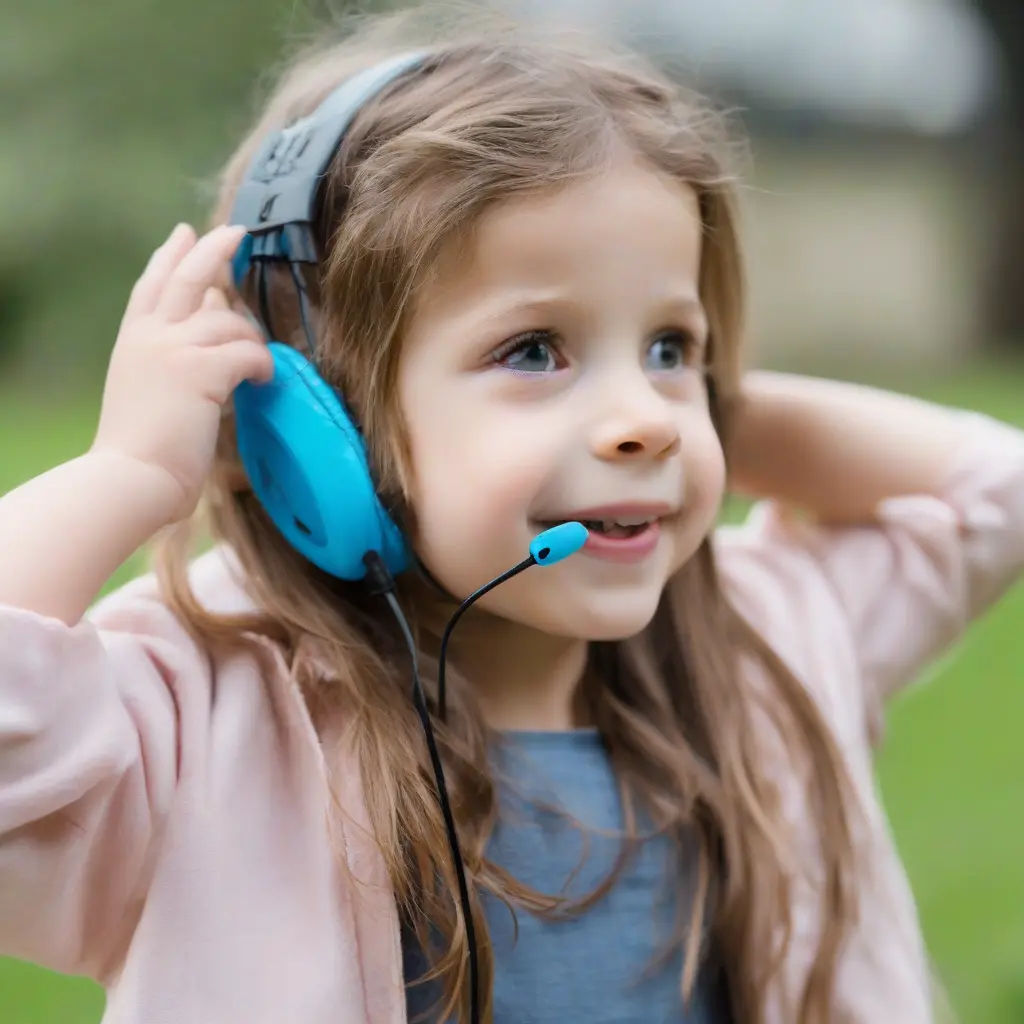
Choosing the right earbuds for kids is crucial for their safety and comfort. With various options available in the market, parents must understand the features that best suit their children’s needs. Comfort, sound quality, volume limitations, and durability are key factors to consider while making a choice. Additionally, introducing kids to proper listening habits and monitoring their usage is equally important. This guide aims to help parents navigate the important aspects of finding the safest and most comfortable earbuds for their children.
Importance of Volume Limiting Features
One of the primary concerns with children’s earbuds is the risk of hearing damage due to excessively high volume levels. To mitigate this risk, many earbuds designed for kids come with volume-limiting features that cap the maximum sound output at a safe level, usually around 85 decibels. This ensures that even when kids listen for extended periods, their hearing is protected. Parents should prioritize earbuds with these features, as they play a critical role in maintaining auditory health while allowing kids to enjoy music or audiobooks.
Choosing Comfortable Designs
Comfort is paramount when selecting earbuds for children, as poorly fitting devices can cause discomfort and lead to them avoiding use altogether. Look for models that include adjustable parts or various ear tip sizes to ensure a snug and secure fit. Additionally, lightweight materials can reduce fatigue during long listening sessions. Ergonomically designed earbuds not only enhance comfort but also improve sound isolation, allowing kids to immerse themselves in their audio without distractions. Consider trying different designs to find the best match for your child’s unique ear shape.
Durability for Active Kids
Kids are often active and playful, meaning their earbuds are likely to endure more wear and tear than adults’ devices. Choosing durable earbuds designed to withstand rough handling is essential. Look for earbuds with reinforced cables, water-resistant or sweat-proof designs, and sturdy materials that can withstand drops and tugs. Some manufacturers offer warranties or guarantees on their products, which can be a positive indicator of durability. Ensuring earbuds can withstand everyday rough usage will save parents from frequent replacements.
Wireless vs. Wired Earbuds
When deciding between wireless and wired earbuds for kids, several factors come into play. Wireless earbuds offer the advantage of freedom of movement, eliminating tangled wires, which can be especially appealing to children who are on the go. However, wired options can provide superior sound quality and are typically less expensive. Moreover, wired earbuds can be a better choice for younger children who may not handle batteries or charging well. Ultimately, the choice depends on the age of the child and their listening habits.
Safety Features to Consider
In addition to volume limiting, other safety features can enhance the earbuds’ suitability for kids. Some models come equipped with built-in microphones for hands-free calls, which can be an asset for buses or while playing outdoors. Additionally, earbuds should have tangle-free cables to prevent choking hazards. Consider options that provide a protective case for storage, ensuring they are safe when not in use. Kids’ earbuds that emphasize safety can add an extra layer of reassurance for parents.
Popular Brands for Kids’ Earbuds
Several brands specialize in producing high-quality earbuds tailored for children. Brands such as Puro Sound Labs, LilGadgets, and JLab Audio have built a reputation for prioritizing comfort and safety. These companies frequently test their products for sound safety standards and create designs that appeal to kids. Parents should research and read reviews to identify the most suitable options, taking into account longevity and warranty provisions to ensure they are making an informed investment.
Teaching Proper Listening Habits
Once you have chosen the right earbuds for your child, educating them about proper listening habits is crucial for protecting their hearing. Ensure they understand the importance of taking breaks, limiting volume, and being mindful of their surroundings. Setting specific rules about usage times, like limiting them to short listening sessions during homework or playtime, can help promote healthier habits. Teaching these practices from a young age fosters responsibility and awareness of auditory health, ensuring sustainable listening experiences.
Monitoring Usage and Setting Limits
Parents should actively monitor their children’s earbud usage to prevent potential hearing damage or decrease in social interactions. Setting time limits on daily use can greatly benefit their auditory health. Using apps or built-in phone features to track listening time can also promote awareness of how long kids are plugged in. By engaging in conversations about their listening preferences and experiences, parents can establish guidelines while fostering a healthy relationship with sound.
Reviewing Customer Feedback
Before purchasing, it’s wise to review customer feedback and ratings for various earbuds designed for kids. Insights and opinions from other parents can highlight potential issues like comfort, durability, and sound quality. Look for reviews that specifically discuss how well the earbuds have performed over time, especially in active environments. Comparing multiple sources can help parents make more informed decisions, ensuring they invest in products that are well-received and effective for children’s needs.
Conclusion
Choosing the right earbuds for kids involves a careful evaluation of safety, comfort, and durability. By focusing on features like volume limiting, comfortable designs, and active monitoring, parents can ensure their children enjoy audio experiences without compromising their hearing health. With a thoughtful approach, families can foster enjoyable and safe listening habits that last a lifetime.