
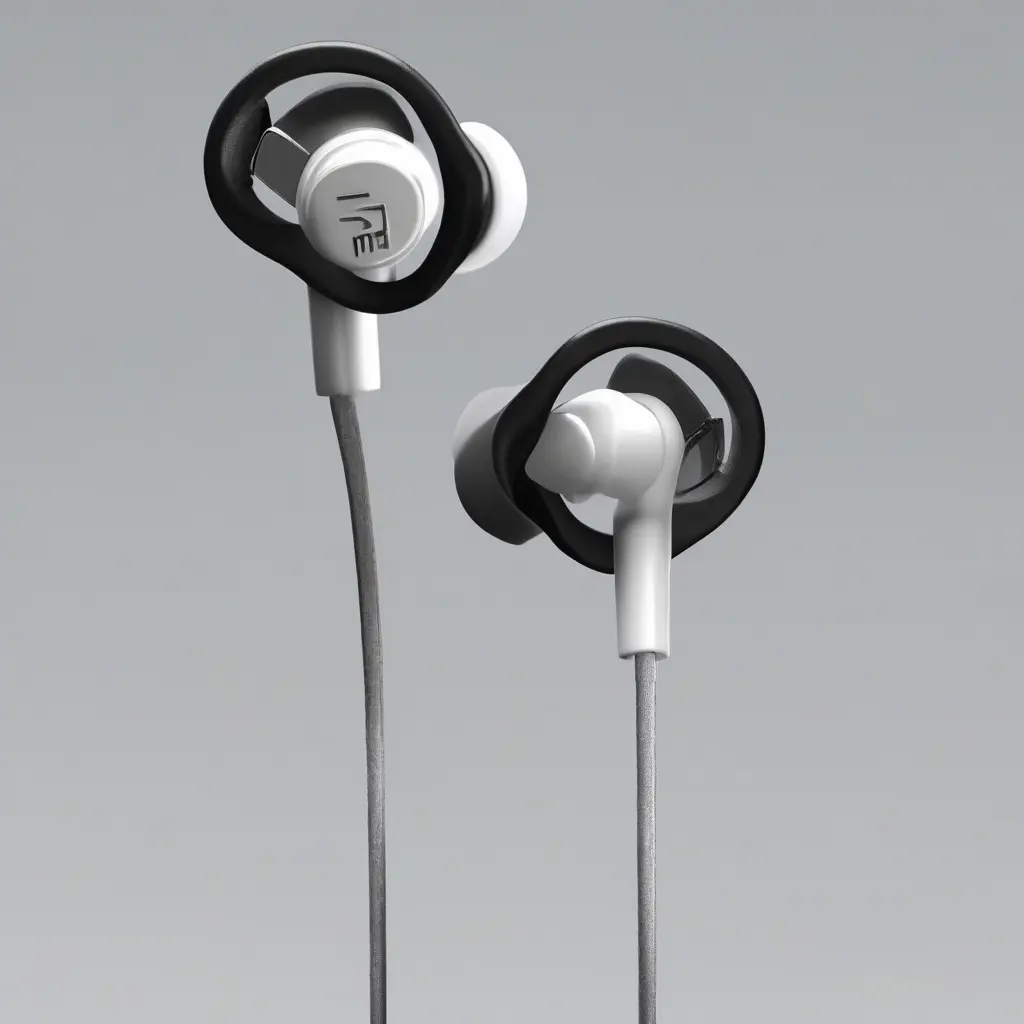
Understanding earbud specifications can be a daunting task, especially with the array of terms and numbers used by manufacturers. From impedance and sensitivity to frequency response and driver size, these specifications can significantly impact the quality of sound you experience. This article aims to decode various earbud specifications, offering insights into what they mean and helping you make informed decisions when selecting the right pair for your needs.
Impedance: What Is It and Why It Matters
Impedance is the resistance that speakers offer to the current flowing from an audio source, typically measured in ohms. Earbuds usually come with impedances ranging from 16 to 32 ohms. Lower impedance earbuds are easier to drive and can be used with less powerful devices, such as smartphones. Conversely, higher impedance models often deliver better sound quality but may require a dedicated amplifier for optimal performance. Understanding the relationship between impedance and device compatibility is crucial for maximizing audio potential.
Sensitivity: How Loud Can They Go?
Sensitivity, measured in decibels (dB), indicates how efficiently earbuds convert power into sound. A higher sensitivity rating means that less power is needed to achieve the same volume level compared to earbuds with lower sensitivity. For instance, earbuds with a sensitivity of 100 dB will produce louder sound than those with 90 dB for the same input power. When choosing earbuds, noting the sensitivity can help assess their suitability for different devices, particularly portable ones with limited output power.
Frequency Response: The Range of Sound
Frequency response refers to the range of audible frequencies that earbuds can reproduce, usually expressed in hertz (Hz). Most earbuds provide a frequency response between 20 Hz to 20 kHz, which encompasses the average human hearing range. A wider frequency response is generally preferable as it indicates the ability to reproduce deep bass notes and high treble. However, the quality of sound produced is equally important, making it essential to balance frequency range with other specifications.
Driver Size: Does Size Matter?
The driver is the component that converts electrical signals into sound. Common driver sizes for earbuds range from 6mm to 12mm. Generally, a larger driver can produce better bass and overall sound quality. However, smaller drivers typically allow for more compact designs, making them convenient for portability. It’s essential to consider the driver size alongside other specifications, as a balance of factors will lead to an optimal audio experience rather than relying solely on one component.
Total Harmonic Distortion (THD): Understanding Audio Clarity
Total Harmonic Distortion (THD) measures the linearity and fidelity of sound reproduction in earbuds. Expressed as a percentage, lower THD values indicate a clearer and more accurate audio experience. For example, earbuds with a THD of less than 1% are typically considered high quality. Understanding THD can help consumers gauge the potential audio fidelity of earbuds, especially for critical listening situations where clear sound reproduction is paramount.
Material Quality: Impact on Durability and Sound
The materials used in earbud construction can significantly affect both durability and audio performance. Common materials include plastic, metal, and high-grade composites, each influencing sound quality and longevity differently. For example, metal casings tend to provide better acoustics and are usually more durable than plastic versions. When choosing earbuds, it’s worthwhile to consider not only sound quality but also the intended usage and lifespan based on material composition.
Noise Isolation vs. Noise Cancellation: Know the Difference
Noise isolation and noise cancellation are terms often confused but refer to different technologies. Noise isolation involves physically blocking external sounds by creating a seal in or around the ear. Noise cancellation, on the other hand, uses active technology to detect and counteract external sounds. Understanding these differences is crucial for users who prioritize sound clarity versus those who want to minimize external noise in their environments, helping to guide the selection process.
Wireless Technology: Bluetooth Standards Explained
Wireless earbuds commonly use Bluetooth technology for connectivity, with several standards available, including Bluetooth 4.0, 4.1, 4.2, and 5.0. Each iteration improves aspects like battery life, connection range, and audio quality. For instance, Bluetooth 5.0 offers enhanced speed and a greater range, making it particularly beneficial for those who use earbuds for active purposes or in large spaces. Understanding these standards can guide consumers in making choices that align with their listening habits.
Battery Life: Essential for Wireless Use
For wireless earbuds, battery life is a critical specification and can vary widely between models. Many wireless earbuds can last anywhere from 4 to 12 hours on a single charge, with many offering additional playback time through charging cases. It’s essential to consider the use case; frequent travelers may prioritize longer battery life for enduring journeys, while casual users might find standard options more than adequate. Understanding battery specifications helps users select earbuds that fit their lifestyles.
Water Resistance Ratings: What They Mean
Water resistance ratings, typically expressed as IPX ratings, indicate how well earbuds can resist moisture and dust exposure. For example, an IPX4 rating suggests the product can withstand splashes of water, while an IPX7 rating indicates immersion in water for a limited time. This is crucial for active users or those who utilize earbuds during workouts, as higher ratings signify greater durability against sweat and environmental elements. Understanding water resistance helps consumers align their purchases with their activities.
Conclusion
Decoding earbud specifications involves navigating through various technical terms that influence your audio experience. By understanding impedance, sensitivity, frequency response, and other relevant specifications, you can make more informed decisions when selecting earbuds that meet your needs. The right choice will ultimately enhance your listening experience, whether you’re using them for casual enjoyment, workouts, or professional applications.