
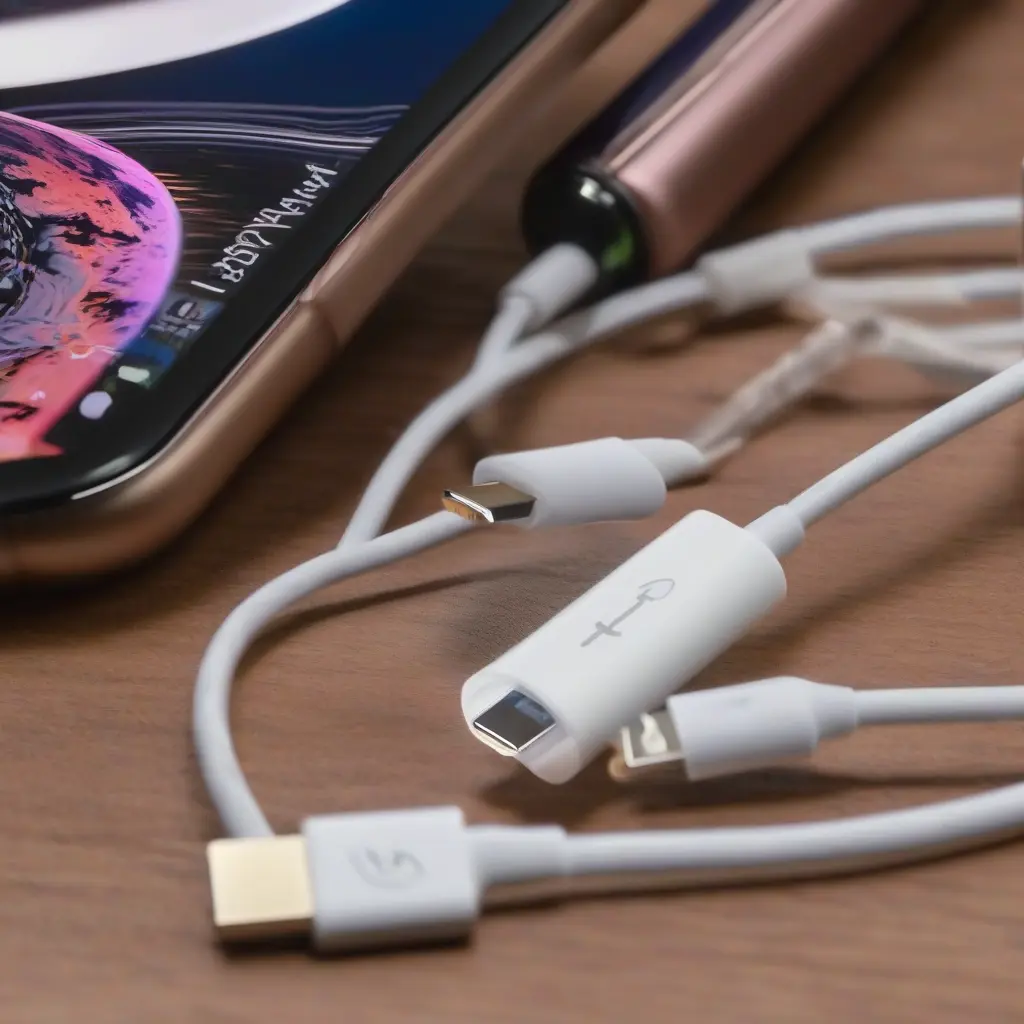
When it comes to charging and transferring data for your iPhone, the choice between Lightning and USB-C cables can significantly affect your experience. Apple has traditionally utilized its proprietary Lightning connector, introduced in 2012, while USB-C has gained traction across a wide variety of devices, including newer models of iPads and Macs. This article will delve into the differences, benefits, and limitations of both types of cables, helping you determine which is the better option for your specific needs and lifestyle.
Understanding Lightning Cables
Lightning cables are Apple’s proprietary connectors, designed specifically for iPhones, iPads, and certain iPods. This cable type features a reversible design, allowing users to plug it in without worrying about orientation. Lightning cables support data transfer speeds that can reach up to 480 Mbps, which is adequate for most users. Additionally, they are widely available and vary in length and price, making them a versatile choice. While they may lack some universal compatibility found in USB-C, their integration with Apple’s ecosystem remains a strong point.
Exploring USB-C Cables
USB-C cables have emerged as a universal solution, compatible with a range of devices, from smartphones to laptops. This connector is designed for versatility, featuring a reversible design similar to Lightning but with higher capabilities. USB-C supports rapid data transfer speeds up to 10 Gbps or more with appropriate devices, making it ideal for transferring large files quickly. Furthermore, it supports higher power delivery, which means it can charge devices faster, making it a strong candidate for users who prioritize efficiency.
Charging Speeds: Lightning vs. USB-C
Charging speed is a critical factor when choosing between Lightning and USB-C cables. While both can charge your iPhone effectively, USB-C usually offers quicker charging capabilities, especially with compatible fast chargers. The USB Power Delivery standard can deliver up to 100 watts, allowing for lower charging times for various devices, including iPhones. In contrast, Lightning cables have a maximum potential of around 12 watts, making them slower in comparison. Choosing USB-C could be a smarter option for users who need to charge their devices in short time windows.
Device Compatibility
When considering which cable to choose, it’s essential to think about device compatibility. Lightning cables are exclusive to Apple products, including all iPhones and many iPads. This narrow compatibility means that if you own only Apple devices, a Lightning cable may suffice. However, if you own or plan to invest in non-Apple devices, USB-C offers far greater flexibility. Many new gadgets, including Android smartphones, laptops, and tablets, now feature USB-C, making it the more versatile choice for mixed-device households.
Pricing and Availability
Pricing can influence your choice of cables significantly. Generally, Lightning cables can be found at various price points, from affordable third-party options to more expensive Apple-branded versions. While third-party vendors often offer budget-friendly Lightning cables, quality can vary, which is crucial for data protection. On the other hand, USB-C cables are also readily available and often priced competitively. Given the growing popularity of USB-C, it is becoming increasingly easy to find high-quality options at reasonable prices.
Durability and Build Quality
Durability is an essential factor when choosing between Lightning and USB-C cables. Lightning cables, especially those from Apple, usually come with good build quality but can show signs of wear over time if not handled properly. Conversely, USB-C cables often boast varied build qualities, with many manufacturers incorporating reinforced materials to enhance durability. While some cheap third-party USB-C cables might fail quickly, quality options feature robust designs that can withstand daily wear and tear, making them suitable for extensive use.
Future-Proofing Your Choice
When considering the longevity of your investment, it’s wise to think about future-proofing. The industry trend leans increasingly toward USB-C, making it more likely to be the standard in coming years. Not only does this connector have wider compatibility with an array of electronics, but its rapid charging and data transfer capabilities also align with technological advancements. Therefore, if you value a connector that is likely to be widely used in the future, USB-C may be the better choice, especially as Apple continues to adopt USB-C for new devices.
Environmental Considerations
Another important consideration is the environmental impact of your cable choice. Apple has taken strides toward sustainability through its Lightning connectors, encouraging recycling and the use of more environmentally friendly materials in their production. However, USB-C also promotes a reduction in electronic waste through its universal design, as fewer distinct types of cables are needed for multiple devices. By opting for USB-C, users can contribute to minimizing electronic waste while enjoying the convenience of a single type of cable for various gadgets.
User Experience and Convenience
User experience plays a significant role in the choice between Lightning and USB-C cables. Lightning’s seamless integration within the Apple ecosystem allows for an easy and straightforward experience for Apple device users. This ease of use includes convenience for accessories like AirPods and other gadgets designed specifically for Lightning. Conversely, USB-C provides flexibility and broader compatibility across multiple platforms, which is beneficial for users with diverse device collections. Choosing between them should align with your specific usage patterns and device affiliations.
Conclusion
In conclusion, the choice between Lightning and USB-C cables ultimately depends on your individual needs, preferences, and device compatibility. While Lightning cables are specifically tailored for the Apple ecosystem, USB-C cables offer broader compatibility and advanced features. For those who prioritize faster charging, data transfer capabilities, and future-proofing, investing in USB-C could provide significant benefits. Ultimately, consider what suits your lifestyle best, and make an informed decision.