
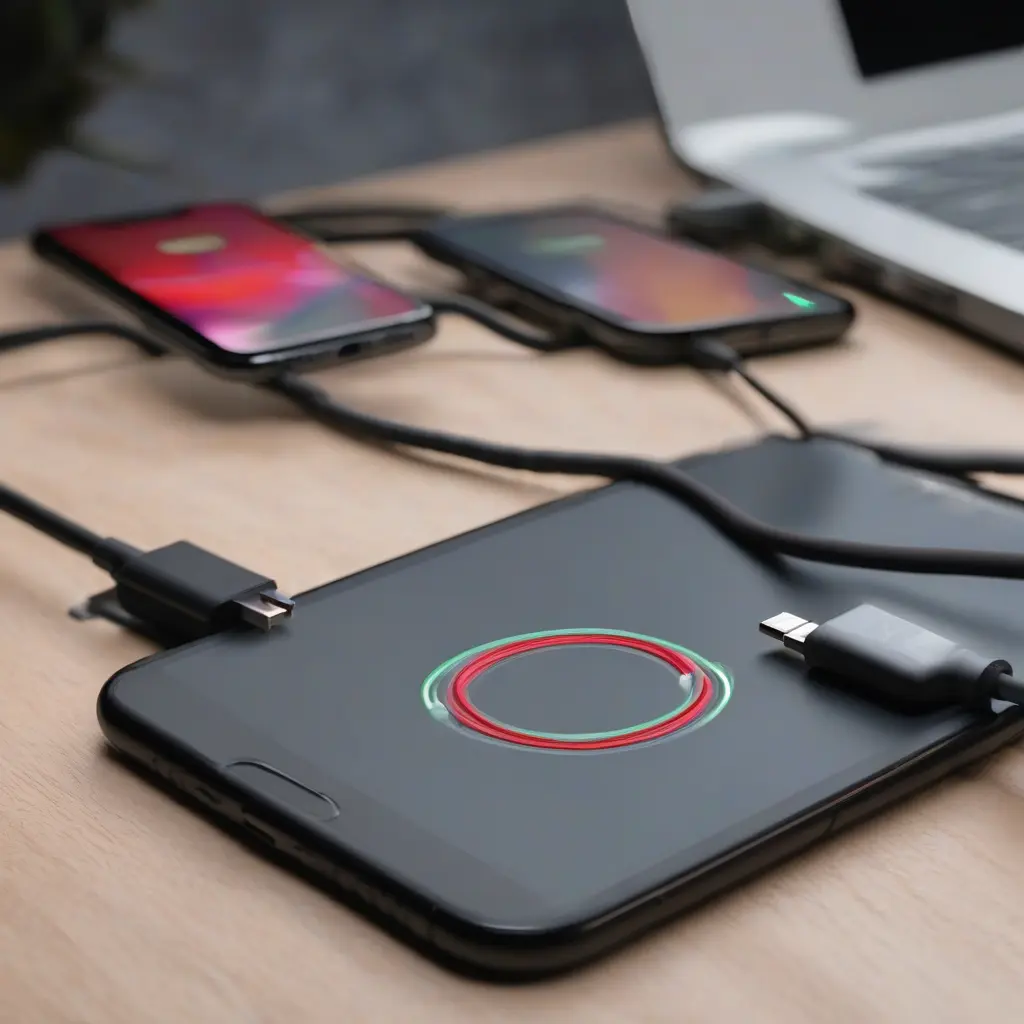
Magnetic charging cables have become increasingly popular among tech users, offering a blend of convenience and efficiency. These cables utilize magnets to simplify the connection process between the charger and the device, aiming to make charging easier and more intuitive. However, potential buyers should consider various factors including durability, charging speed, and compatibility before making a decision. This article will delve into the pros and cons of magnetic charging cables to help you decide if they are worth the investment for your electronic devices.
What are Magnetic Charging Cables?
Magnetic charging cables are specialized charging accessories designed to connect to devices through small magnetic connectors. Unlike traditional cables that require precise alignment between the charging port and connector, these cables feature a magnetic tip that easily attaches to the compatible device. This design reduces wear on both the cable and the device’s charging port, making it an attractive option for many users. The concept is particularly popular with smartphones, tablets, and even some laptops, promising a more user-friendly experience.
Advantages of Magnetic Charging Cables
One significant advantage of magnetic charging cables is their convenience. The magnetic connection allows users to charge their devices with one hand or in low-light conditions without needing to fumble for the port. This ease of use can enhance the overall user experience, especially for people who are often on the go. Additionally, because the connection is less likely to cause wear and tear on the device’s charging port, users may find their devices remain in better condition over time, potentially leading to lower repair costs.
Improved Durability
Magnetic charging cables typically offer enhanced durability compared to traditional cables. With fewer moving parts and a reduced risk of fraying, these cables tend to withstand daily wear and tear more effectively. The magnetic tips can prevent accidental disconnections that could lead to stress on the cable itself. Users often find that this longevity makes magnetic cables a cost-effective choice in the long run, providing value by minimizing replacements due to damage or malfunction.
Fast Charging Capability
Another benefit is the potential for fast charging capability depending on the magnetic cable’s specifications. Many modern magnetic charging cables support rapid charging technologies, such as Quick Charge and Power Delivery, allowing users to charge their devices faster than standard cables. This feature can be particularly appealing for people who are always short on time and require quicker power replenishment. It’s essential, however, to check whether the cable meets the necessary standards to ensure optimal charging speed.
Drawbacks of Magnetic Charging Cables
Despite their numerous advantages, magnetic charging cables do come with some drawbacks. One of the primary concerns is that the magnetic connection, while convenient, may not always be as secure as traditional plugs. Users might find that they can accidentally detach the cable, particularly if there’s minimal tension pulling on the cord. This occasional disconnection could lead to slower charging or interruptions in the charging process, which can be frustrating when a device is needed urgently.
Limited Compatibility
Limited compatibility is another potential downside of magnetic charging cables. Not all devices are designed to accept magnetic connectors, which means users may need to purchase separate connectors for different devices. This can lead to extra costs and hassle, particularly for individuals with various gadgets. It’s crucial to ensure that the magnetic charging cable is compatible with your device before making a purchase, as many models are designed to connect only to specific brands or models.
Higher Initial Cost
Magnetic charging cables typically come with a higher initial cost compared to standard cables. While traditional cables can be found at low prices, magnetic options often reflect a premium due to their advanced design and materials. Consumers should weigh this initial investment against the potential long-term benefits, considering factors like durability and convenience. Although the upfront cost may be a deterrent, the overall value provided over time could justify the purchase for many users.
Safety Concerns
Another aspect to consider is the safety of magnetic charging cables. While most reputable brands prioritize safety features, lower-quality magnetic cables may pose risks such as overheating or short-circuiting. Users should always purchase from trusted manufacturers that comply with safety standards to ensure their devices remain protected. Checking for certifications and reading reviews can help ensure you’re investing in a safe product that won’t damage your devices or create hazards.
User Experience and Opinions
User experiences with magnetic charging cables vary widely, with many praising their convenience and durability. Reviews often highlight the ease of use, particularly for multi-device households. However, negative feedback typically focuses on concerns regarding the security of the connection and occasional compatibility issues. Understanding general user sentiments can aid potential buyers in assessing whether the pros outweigh the cons for their specific needs and preferences in charging solutions.
Conclusion
In summary, magnetic charging cables offer both advantages and disadvantages, making them suitable for some users while less appealing for others. Their convenience, durability, and potential for fast charging can greatly enhance the user experience, particularly for those with busy lifestyles. However, limited compatibility, higher initial costs, and potential safety concerns are factors to ponder. Ultimately, your decision should be based on your specific tech needs, lifestyles, and willingness to invest in this innovative charging solution.