
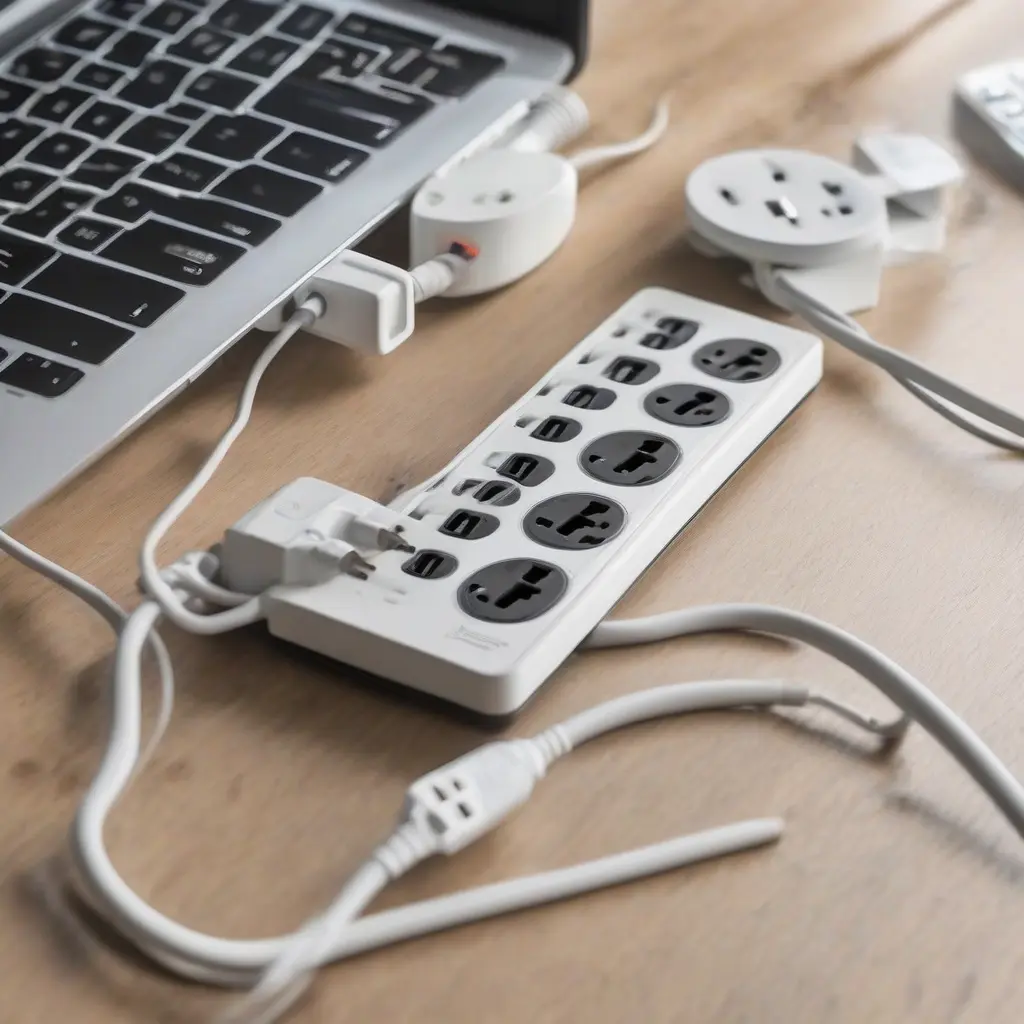
In today’s digital age, having multiple devices charging at once is a necessity. A good power strip not only provides ample outlets but also ensures safety and efficiency while charging various electronics. As we delve into what makes a power strip ideal for charging multiple devices, we’ll focus on critical features such as surge protection, current capacity, outlet spacing, and cord length. These features enhance usability and prevent hazards, making it essential to choose the right power strip for your needs.
Surge Protection: A Must-Have Feature
One of the most vital characteristics of a power strip is surge protection. This feature safeguards connected devices from power surges, which can occur due to lightning strikes or fluctuations in the electrical grid. A power strip with built-in surge protection typically has a voltage rating that indicates its capability. Look for strips that provide at least 1000 joules of surge protection, as this level is often sufficient for everyday consumer electronics like smartphones, laptops, and tablets.
Current Capacity: Understanding Amperage Ratings
Current capacity, measured in amperes (amps), determines how much power a power strip can handle. Most household electronics require between 0.5 to 3 amps, while larger devices may demand more. Ensure that the power strip you choose has an amperage rating that meets or exceeds your devices’ collective needs. A standard good unit typically provides a rating of 15 amps, which is safe for most home applications. Overloading a power strip can lead to overheating and failure, so understanding this specification is crucial for safety.
Outlet Spacing: Ensuring Room for All Devices
The spacing between outlets on a power strip is critical, especially when dealing with bulky chargers. Many devices come with wide power adapters that may block neighboring outlets if they are too close together. Opt for a power strip that features outlets spaced far enough apart to accommodate various charger designs. Some models even include USB ports, eliminating the need for additional adapters and allowing multiple devices to be charged simultaneously without creating clutter.
Cord Length: Finding the Right Fit
Cord length is another important aspect when choosing a power strip. The right length ensures that you can position your power strip conveniently without straining or stretching the cord. A standard length ranges from 3 to 10 feet, depending on your setup. Longer cords provide flexibility, especially in larger rooms or those with limited outlet access. However, remember that excessively long cords can become cumbersome, so choose a length that meets your immediate charging needs without excessive slack.
Material Quality: Durability Matters
The material quality of a power strip plays a significant role in its performance and lifespan. Look for power strips made from fire-resistant materials, which help in preventing fire hazards. The internal wiring should also be robust, typically copper, to ensure a safe and efficient flow of electricity. Additionally, check for the product’s certifications from recognized safety organizations, such as UL or CE, which indicate that it meets strict safety standards.
Overload Protection: Essential Safety Feature
Overload protection is a critical safety feature that automatically shuts off the power strip when the connected devices draw too much power. This feature helps to prevent overheating and potential fires. Power strips equipped with circuit breakers act as a first line of defense against overload conditions. When selecting a power strip, verify that it includes this feature to protect your devices and your home.
USB Ports: Convenience for Modern Devices
Many modern power strips come integrated with USB charging ports, offering an added convenience for charging smartphones, tablets, and other gadgets. These USB ports often provide fast charging capabilities, making them a popular choice for busy households or offices. When looking for a power strip, consider how many USB ports it offers and whether it supports fast charging. This can save space and eliminate the need for multiple chargers and adapters.
Mounting Options: Flexibility in Placement
Some power strips offer various mounting options, including the ability to be wall-mounted or attached to a desktop. This flexibility is beneficial in optimizing space and keeping outlets accessible. Ensure the power strip you choose has the appropriate mounting features based on where you intend to use it. This can help reduce cable clutter and maintain a cleaner, safer workspace or living area.
LED Indicators: Visual Cues for Functionality
LED indicators on a power strip provide visual cues regarding its operational status. These lights can indicate if the power strip is receiving power or if the surge protection is functioning correctly. Some models have indicators that alert you to dangerous conditions, such as overheating or overload. Having these indicators helps users identify issues at a glance and can significantly enhance safety, providing peace of mind when charging multiple devices.
Conclusion
Choosing the right power strip for charging multiple devices involves several essential features, such as surge protection, current capacity, and outlet spacing. By considering these attributes, you can ensure a safe and efficient charging environment for your electronics. Assessing factors like cord length, material quality, and additional features such as USB ports and overload protection will further enhance your selection. A well-chosen power strip not only meets your charging needs but also promotes safety and longevity for your valuable devices.