
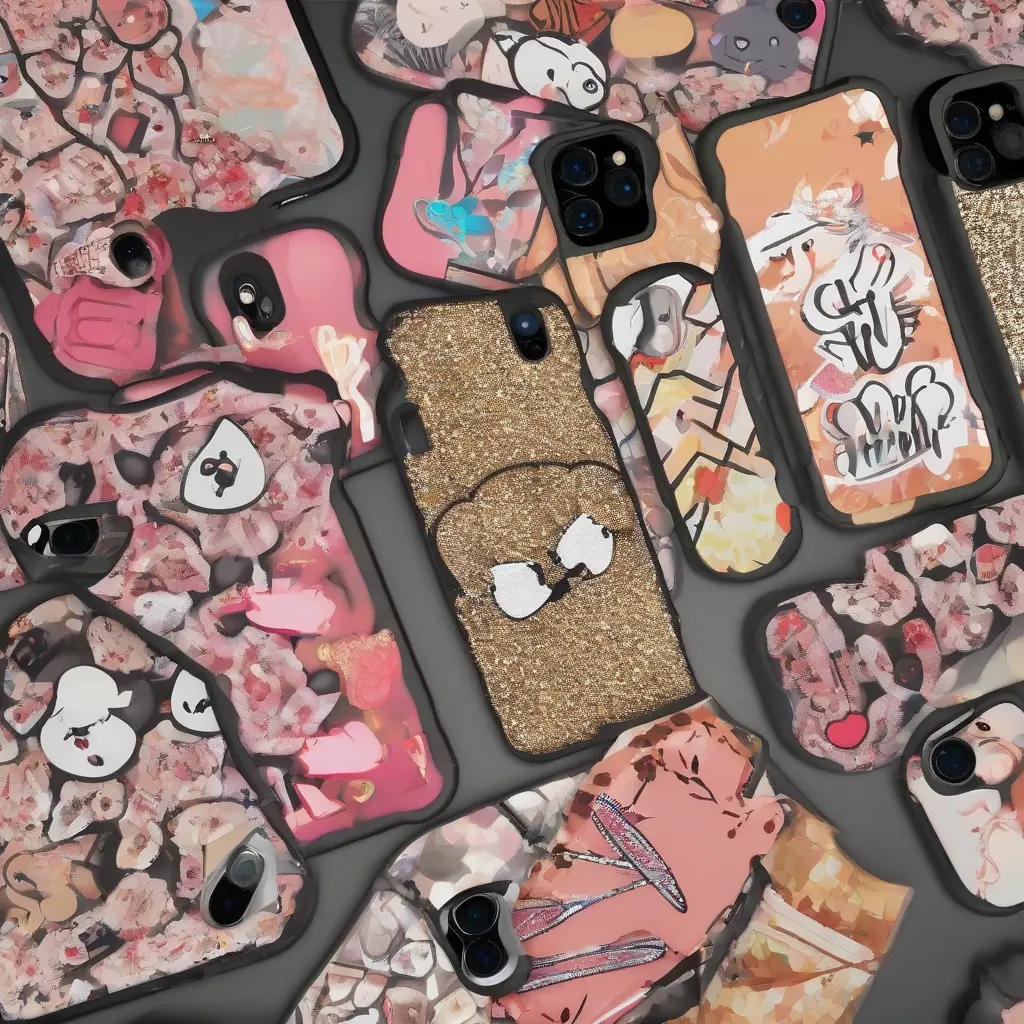
Finding the right phone case can significantly enhance your device’s protection and style. With so many materials available, each offering unique features, it’s essential to understand the pros and cons of each option. This comprehensive guide delves into the best materials for phone cases, exploring their durability, aesthetic appeal, weight, and price points. By the end, you’ll be equipped to make an informed decision that meets your protection needs and personal style.
Silicone Phone Cases: Flexibility and Grip
Silicone cases are popular for their flexibility and excellent grip. These cases can absorb shocks well, providing a cushion during drops. Their soft texture makes them pleasant to hold, reducing the chances of slips. Additionally, silicone is lightweight, which means it adds minimal bulk to your phone. Cleaning silicone cases is also straightforward, as most can be wiped clean easily with a damp cloth. However, they may not be as protective against high-impact falls compared to harder materials, making them best for daily use in less rugged environments.
TPU (Thermoplastic Polyurethane) Cases: Combining Toughness and Style
TPU cases are a step up from silicone, offering a blend of flexibility and hardness. This material is highly resistant to scratches and abrasions, ensuring that your phone stays looking new for longer. TPU cases often showcase sleek designs without adding extra weight, making them both functional and fashionable. They also feature shock-absorbing properties similar to silicone. However, while they do provide excellent use in everyday situations, they may not withstand extreme impacts as effectively as more rigid materials like polycarbonate.
Polycarbonate Cases: Ultimate Protection
Polycarbonate is a hard, durable plastic that offers some of the best protection against drops and impacts. The strength of polycarbonate makes it a favored choice for those in demanding environments, ensuring that the phone survives significant shocks. These cases are typically slim yet robust, maintaining the phone’s aesthetics while providing superior protection. However, polycarbonate cases can sometimes lack the grip that softer materials provide, potentially increasing the risk of slips. Users who prioritize ruggedness and durability will find polycarbonate to be a suitable option.
Leather Cases: Elegant Protection
Leather cases are well-known for their luxurious appearance and feel, making them a classic choice for those who value style. Available in numerous designs and colors, leather cases can elevate the overall look of your smartphone. While they might not offer the same level of impact protection as harder materials, quality leather provides sufficient coverage against scratches and minor falls. Moreover, leather can develop a unique patina over time, enhancing its aesthetic appeal. Buyers should be aware that leather cases can require regular maintenance to preserve their quality.
Wooden Cases: Eco-Friendly and Unique
Wooden cases are an environmentally friendly option that adds a touch of uniqueness to your smartphone. Crafted from various types of wood, these cases can showcase beautiful natural patterns and textures. While wooden cases provide decent protection against scratches, they might not offer the same impact resistance as silicone or polycarbonate. If you appreciate individuality in design, a wooden case could be perfect, but keep in mind they may be heavier and could wear down quicker if exposed to harsh conditions. Proper care can help maintain their durability.
Metal Cases: Sturdy and Sleek
Metal cases are revered for their stylish, modern look, making them an eye-catching option for many smartphone users. Typically made from aluminum or alloy, these cases can offer significant protection against impacts. Their sturdy design provides a robust barrier against drops, lending a sense of security to users. However, metal cases can add noticeable weight to the device and may interfere with signal reception. For those who appreciate both aesthetics and protection, balancing style with functionality is crucial when considering a metal case.
Hybrid Cases: The Best of Both Worlds
Hybrid cases combine various materials to create a protective solution that retains stylish design elements. Often including a mix of silicone, TPU, or polycarbonate, these cases leverage the strengths of each material. This design strategy ensures excellent shock absorption while also resisting scratches and drops. Hybrid cases often come with additional features, such as built-in screen protectors or kickstands, enhancing their functionality. This versatility makes hybrid cases a popular choice for users who want comprehensive protection without sacrificing aesthetic appeal.
Choosing the Right Case Material: Factors to Consider
When selecting a phone case material, consider factors such as lifestyle, usage patterns, and personal style. For those prone to accidental drops, opting for tougher materials like polycarbonate or hybrid options may prove beneficial. Conversely, if style takes precedence, leather or wood options can provide an elegant appeal. Weight is another consideration; users who prefer a lightweight phone may lean towards silicone or TPU. Ultimately, balancing protection, aesthetic preference, and usability will guide your choice in the best materials for a phone case.
Trends in Phone Case Materials
As smartphone technology evolves, so do the materials used in phone cases. Eco-conscious consumers are driving demand for sustainable materials, including biodegradable options that offer protection without harming the environment. Additionally, advancements in material science are leading to more innovative designs, like self-healing materials that can recover from scratches and dents. Consumer trends also indicate a growing interest in personalization, prompting manufacturers to create customizable cases. Awareness of current trends can guide you towards the most suitable and stylish options available.
Conclusion
In conclusion, the best materials for phone cases depend on individual needs, preferences, and usage scenarios. From durable polycarbonate to stylish leather, each material offers unique benefits that cater to diverse lifestyles. Understanding the various options helps ensure that you choose a case that not only protects your device effectively but also complements your personal style. With proper research, selecting the right phone case material can lead to an enhanced user experience.