
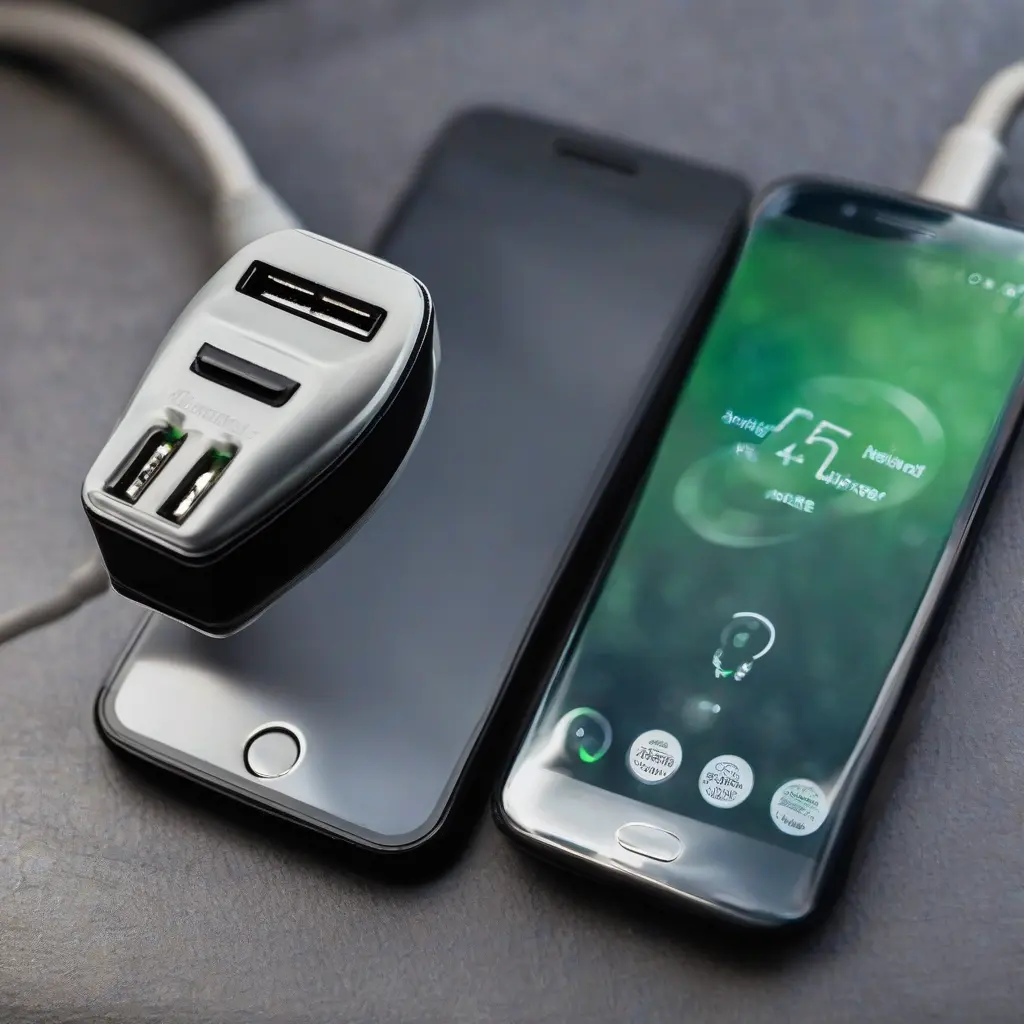
Choosing the right car charger for your smartphone can significantly affect your driving experience, especially if you’re frequently on the go. With numerous options available in the market, it’s vital to understand different types, specifications, and features to make an informed decision. This guide will provide you with essential information on factors like compatibility, charging speed, port types, and safety features to help you select a car charger that meets your needs.
Understand Charging Standards
To effectively choose a car charger, it’s crucial to understand the various charging standards like USB-A, USB-C, and Quick Charge. USB-A is the traditional standard and widely compatible, while USB-C allows for faster charging speeds and data transfer rates. Quick Charge technology optimizes charging based on the device’s requirements, reducing time spent tethered. Checking your smartphone’s charging capabilities will guide you in selecting an appropriate charger adhering to the necessary standards for efficient power delivery.
Consider the Charger’s Power Output
The power output of a car charger is indicated in watts (W) and is a vital factor for fast and efficient charging. Chargers typically range from 5W to upwards of 60W. For optimal charging, select a charger that matches or exceeds your smartphone’s required wattage. Most modern smartphones support fast charging; therefore, choosing a charger with higher output will ensure quicker power replenishment, making it ideal for those who are on the road often.
Evaluate Port Types
Another essential consideration is the number of ports available on the car charger. Some chargers come with a single USB port, while others offer multiple ports, allowing simultaneous charging of multiple devices. If you travel with companions or need to charge a tablet alongside your smartphone, a multi-port charger might be advantageous. Moreover, bear in mind the types of ports offered, whether USB-A or USB-C, matching your devices for maximum utility.
Check Compatibility with Your Device
Compatibility is a key factor in selecting a car charger. Most smartphones are designed to work with universal chargers, but some might require specific configurations or output levels. Verify whether your smartphone supports fast charging and choose a car charger that meets those specifications. Additionally, check for any recommendations or requirements from your smartphone manufacturer, ensuring that you select a charger that won’t compromise your device’s safety or efficiency.
Prioritize Safety Features
Safety features are paramount when choosing a car charger, as they protect both the device and the car’s electrical system. Look for chargers that come with over-current protection, over-voltage protection, and short-circuit protection. These features safeguard your devices against potential hazards during charging. High-quality chargers may also include temperature control to prevent overheating, offering an added layer of safety, especially during long trips.
Look for Certifications
Certifications indicate a charger’s compliance with industry standards, assuring quality and safety. Look for chargers that have undergone certification by recognized safety organizations such as CE, FCC, or RoHS. These certifications ensure that the charger meets specific performance standards and safety criteria. Avoid generic chargers lacking certifications, as they can pose risks like overheating or even damaging your device over time.
Consider the Build Quality
The durability and build quality of the car charger are important for long-term use, especially in a mobile environment. Opt for chargers made from high-quality materials that can withstand the rigors of daily use. Look for features like reinforced cables and sturdy connectors that minimize wear and tear. Investing in a well-constructed charger will ensure longevity and provide a reliable charging solution for years to come.
Research Brand Reputation
When investing in a car charger, researching the brand’s reputation can significantly impact your decision. Established brands often provide warranties or customer support, offering peace of mind regarding your purchase. Read reviews and testimonials from other users to evaluate the performance, reliability, and durability of the charger. Brands typically known for high-quality product offerings are more likely to deliver a satisfactory experience.
Compare Price and Value
While cost is always a consideration, prioritize value over simply opting for the cheapest option. A higher-priced charger may offer better durability, faster charging speeds, or enhanced safety features that cheaper alternatives lack. Compare the features of different chargers within your budget to determine which offers the best value for your needs. Remember that investing in a quality charger can save you money and time in the long run.
User-Friendliness and Design
Choosing a user-friendly and aesthetically pleasing car charger can enhance your overall experience. Features like LED indicators can display charging status, making it easy to monitor. Compact designs are preferable as they occupy less space, allowing easy portability. Some chargers come with a built-in cable, reducing clutter, while others have a sleek, modern look that complements your vehicle’s interior. Select a design that not only functions well but also aligns with your preferences.
Conclusion
In conclusion, selecting the right car charger for your smartphone involves several considerations, from understanding charging standards and power output to evaluating design and brand reputation. By being informed about these factors, you can make a wise investment that enhances your charging experience and fits your lifestyle. Prioritizing features that cater to your specific needs will ensure you choose a charger that reliably supports your device while you are on the road.