
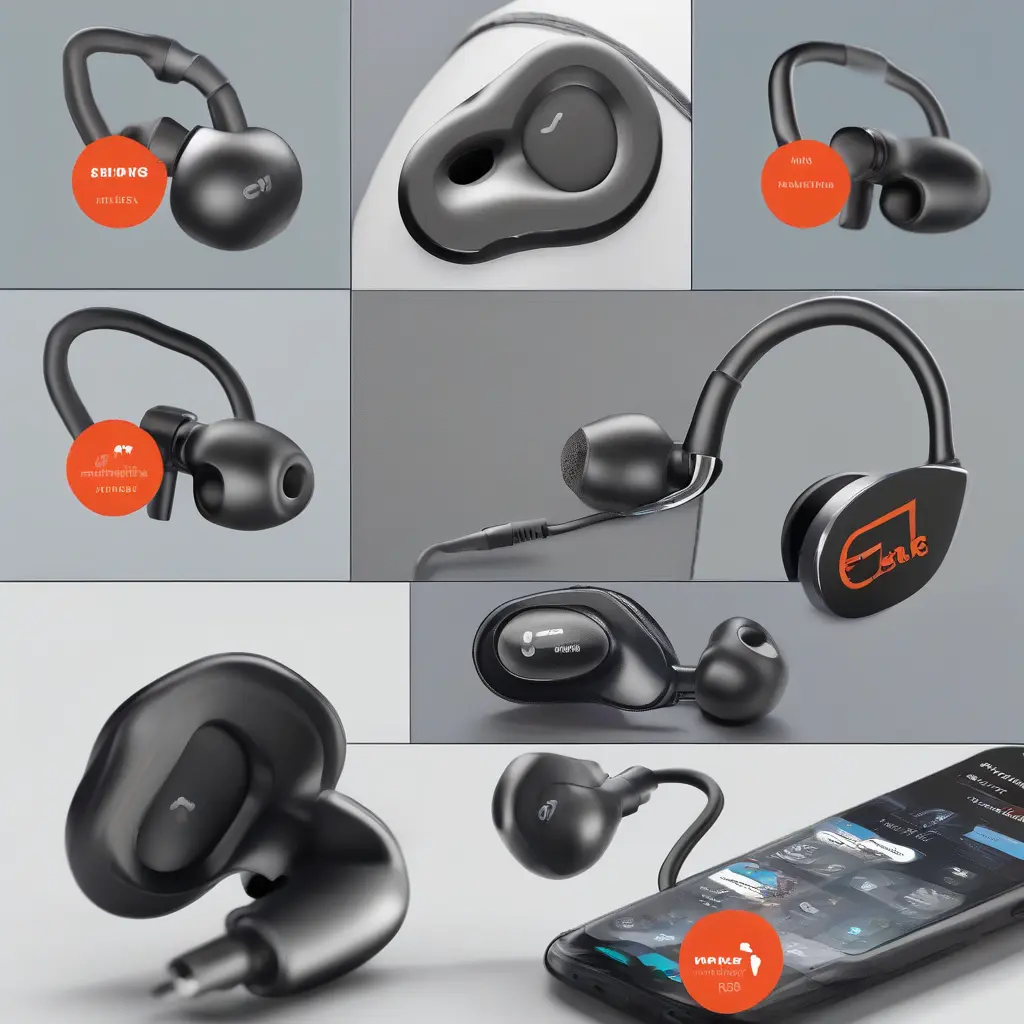
Understanding the role drivers play in earbud sound quality is essential for making informed audio choices. Drivers are the heart of earbud audio systems, directly affecting the sound experience by converting electrical signals into sound waves. Different types and sizes of drivers can produce varying sound characteristics, which can significantly influence your listening experience. Whether for casual use or audiophile-level precision, knowing about drivers helps you select the best earbuds tailored to your needs, whether for music, podcasts, or calls.
What Are Drivers in Earbuds?
Drivers are the components within earbuds that generate sound by converting electrical energy into mechanical energy. This process involves a diaphragm that vibrates when an electrical current passes through the driver, creating sound waves. In simple terms, drivers are responsible for producing the audio you hear when using earbuds. The quality and type of driver directly impact how effectively sound is reproduced, which is why they’re a crucial aspect of earbud design.
Types of Drivers Used in Earbuds
There are several types of drivers used in earbuds, each with distinctive sound characteristics. Dynamic drivers are the most common, known for delivering strong bass and clear highs. Balanced armature drivers, on the other hand, excel in producing intricate melodies and clarity but may lack depth in bass. Piezoelectric drivers are less common but offer unique sound profiles. Understanding these types helps consumers select earbuds that align with their specific audio preferences and listening habits.
How Driver Size Affects Sound Quality
Driver size plays a pivotal role in determining sound quality and performance. Larger drivers typically produce deeper bass and can handle greater sound pressure levels, making them ideal for bass-heavy music genres. Smaller drivers, while excellent for detail and clarity, might not deliver the same level of bass response. Thus, balancing driver size with type can help consumers find earbuds that offer a well-rounded sound profile suitable for various listening environments.
Impedance and Sensitivity Explained
Impedance and sensitivity are critical specifications that influence how drivers perform in earbuds. Impedance, measured in ohms, indicates how much resistance the drivers present to the audio source. Lower impedance typically means the earbuds can be driven easily by portable devices like smartphones. Sensitivity measures how effectively drivers convert power into sound. Higher sensitivity translates to louder audio output at lower power levels, enhancing overall efficiency and sound performance.
The Impact of Materials on Sound Quality
The materials used in driver construction significantly influence sound quality. Common materials include neodymium for magnets, which offers powerful magnetic fields contributing to better sound performance. Diaphragms may be constructed from a variety of materials, such as plastic or metal, affecting how sound waves are produced. The choice of materials can lead to variations in sound reproduction, clarity, and durability, impacting the overall user experience when using the earbuds.
How Driver Configuration Influences Listening Experience
Driver configuration refers to the arrangement and type of drivers used within an earbud model. Some earbuds feature multiple drivers working in tandem, allowing for a broader frequency response and improved sound staging. This configuration can lead to clearer vocals and a more immersive listening experience. Conversely, single-driver designs may be simpler and more affordable, making them suitable for everyday use but potentially lacking in audio depth and richness.
Choosing the Right Earbuds for Your Needs
When shopping for earbuds, consider your primary listening applications, such as music, podcasts, or gaming. If you prioritize bass-heavy performance for music enjoyment, earbuds with larger dynamic drivers might be your best choice. For clarity and balance in vocals, balanced armature designs could be more suitable. By aligning your priorities with driver characteristics, you can significantly enhance your overall audio experience and satisfaction.
Listening Preferences and Driver Types
Different music genres demand various sound characteristics, making it vital to align driver types with your listening preferences. For instance, if you enjoy electronic music, dynamic drivers may offer the deep bass that enhances those tracks. In contrast, if your focus is on classical music, balanced armature drivers might provide the clarity needed to appreciate intricate compositions. Being aware of how driver types influence listening preferences will help you make a better-informed purchase.
Future Trends in Earbud Driver Technology
The future of earbud driver technology is promising, with ongoing innovations aimed at improving sound quality and efficiency. Emerging technologies such as planar magnetic drivers are gaining popularity for their ability to deliver high-fidelity sound while minimizing distortion. Additionally, developments in miniaturization may lead to smaller, more efficient drivers without sacrificing audio quality. These advancements continue to push the boundaries of what is possible in the world of earbud design and sound performance.
Conclusion
Understanding drivers is essential for anyone looking to enhance their earbud experience. By considering the type, size, and materials of drivers, users can make informed decisions that align with their audio preferences and needs. With technology continually advancing, staying updated on driver innovations will further empower consumers to choose the perfect earbuds for their listening pleasure.