
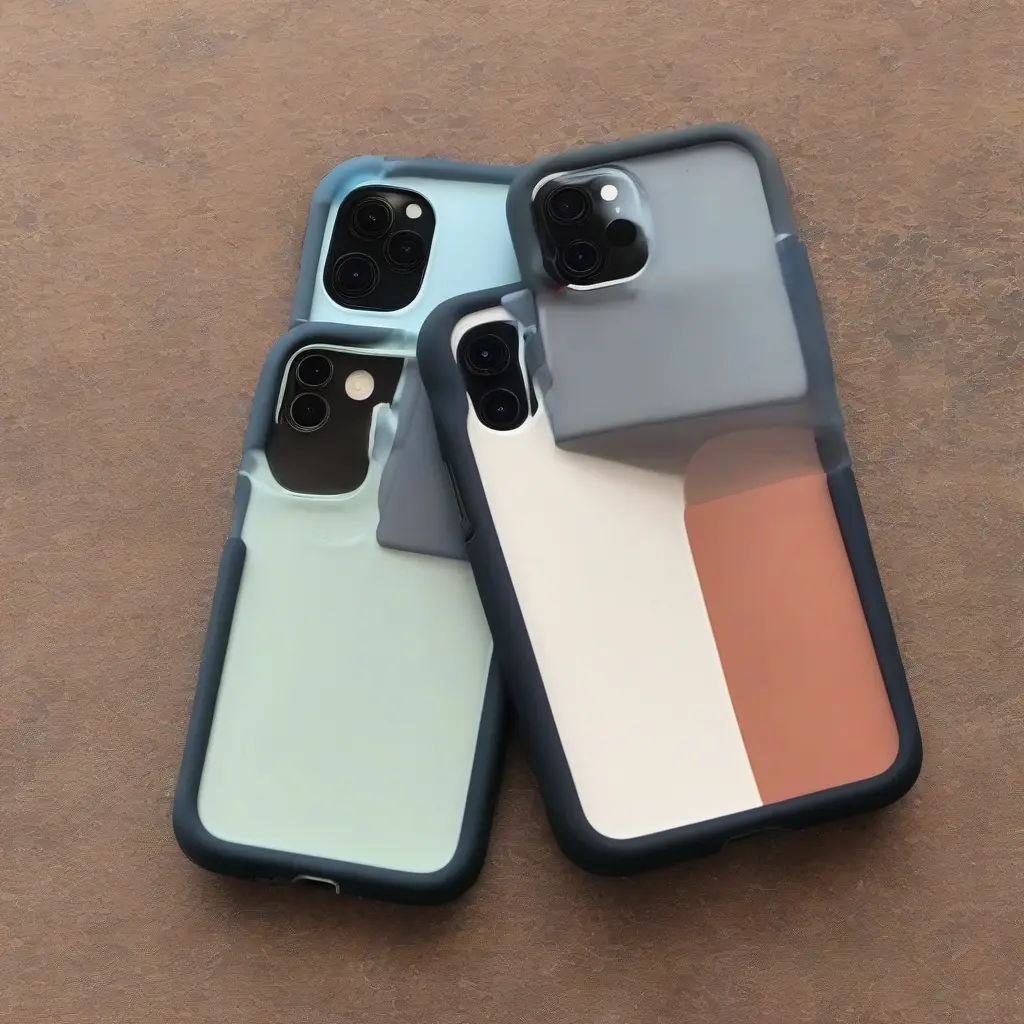
As smartphones have become an integral part of our daily lives, concerns about their cleanliness and hygiene have increased. Phone cases, particularly those marketed as antimicrobial, are gaining traction among consumers seeking to reduce the risk of germs and bacteria on their devices. This article delves into the science behind antimicrobial phone cases, evaluating whether they are truly effective at minimizing microbial growth and protecting your health.
What Are Antimicrobial Phone Cases?
Antimicrobial phone cases are designed with materials that inhibit the growth of bacteria, fungi, and other microorganisms. These cases typically incorporate substances like silver ions or copper that possess natural antimicrobial properties. The idea is to create a barrier that not only protects the phone from scratches and drops but also from germs that can accumulate on its surface over time.
How Do Antimicrobial Agents Work?
The mechanism by which antimicrobial agents function is fascinating. These agents interact with microbial cells, disrupting their normal cellular processes. For instance, silver ions can penetrate bacterial cell membranes and interfere with their metabolism, ultimately leading to cell death. This action reduces the overall microbial load on the surface of the phone case, contributing to improved hygiene for users.
The Science Behind Antimicrobial Effectiveness
Numerous studies have explored the effectiveness of antimicrobial materials. Research indicates that surfaces treated with these agents can exhibit significant reductions in microbial populations. However, the degree of effectiveness can vary based on factors such as the concentration of the antimicrobial agents and the types of microbes involved. It’s essential to note that while these cases can reduce bacteria, they do not eliminate the need for regular cleaning.
Limitations of Antimicrobial Phone Cases
Despite their benefits, antimicrobial phone cases do have limitations. First, the antimicrobial properties may degrade over time due to wear and tear or exposure to environmental factors. Additionally, some studies suggest that bacterial resistance may develop against certain agents, potentially diminishing their effectiveness. Hence, consumers should remain vigilant about hygiene practices and not solely rely on these cases for maximum protection.
Consumer Interest and Market Growth
The growing awareness of health and hygiene issues has led to increased consumer interest in antimicrobial phone cases. Many manufacturers are capitalizing on this trend by promoting these products as essential for health-conscious individuals. Market data indicates that the antimicrobial phone case industry is expanding rapidly, fueled by a collective desire for improved device sanitation.
Comparing Antimicrobial and Standard Phone Cases
When choosing between antimicrobial and standard phone cases, consumers often weigh various factors including price, aesthetics, and perceived value. While antimicrobial cases may cost more, many users are willing to invest in additional protection against germs, especially in light of recent health concerns. However, not all users may perceive the added cost as justified, particularly if they maintain regular cleaning routines.
Best Practices for Keeping Phones Clean
In addition to using an antimicrobial phone case, maintaining proper hygiene practices is essential for phone cleanliness. Regularly cleaning the phone with disinfectant wipes or alcohol solutions can significantly reduce the microbial load. Furthermore, adopting habits like washing hands frequently and avoiding placing phones on dirty surfaces can contribute to better overall hygiene.
Future Innovations in Phone Case Technology
As the demand for antimicrobial products grows, manufacturers are exploring innovative materials and technologies to enhance efficacy. Future phone case designs might incorporate advanced materials or coatings that offer even better antimicrobial properties while maintaining durability and aesthetics. The development of smart technologies, such as UV-C light disinfection integrated into cases, is also being explored as a means to ensure ongoing cleanliness.
The Role of Consumer Education
Consumer education plays a significant role in the effectiveness of antimicrobial phone cases. Understanding how these products work, their limitations, and the importance of additional cleaning practices can empower users to make informed decisions. Manufacturers and retailers must prioritize transparent communication to ensure that customers know what to expect and how to maximize the benefits of their purchases.
Conclusion
In conclusion, antimicrobial phone cases can provide additional protection against harmful microorganisms, but they are not a complete substitute for regular cleaning. While the science behind antimicrobial agents shows promise, users should adopt comprehensive hygiene practices to maintain a clean and safe smartphone environment. As technology evolves, staying informed will be essential for consumers seeking the best solutions for their health and well-being.