
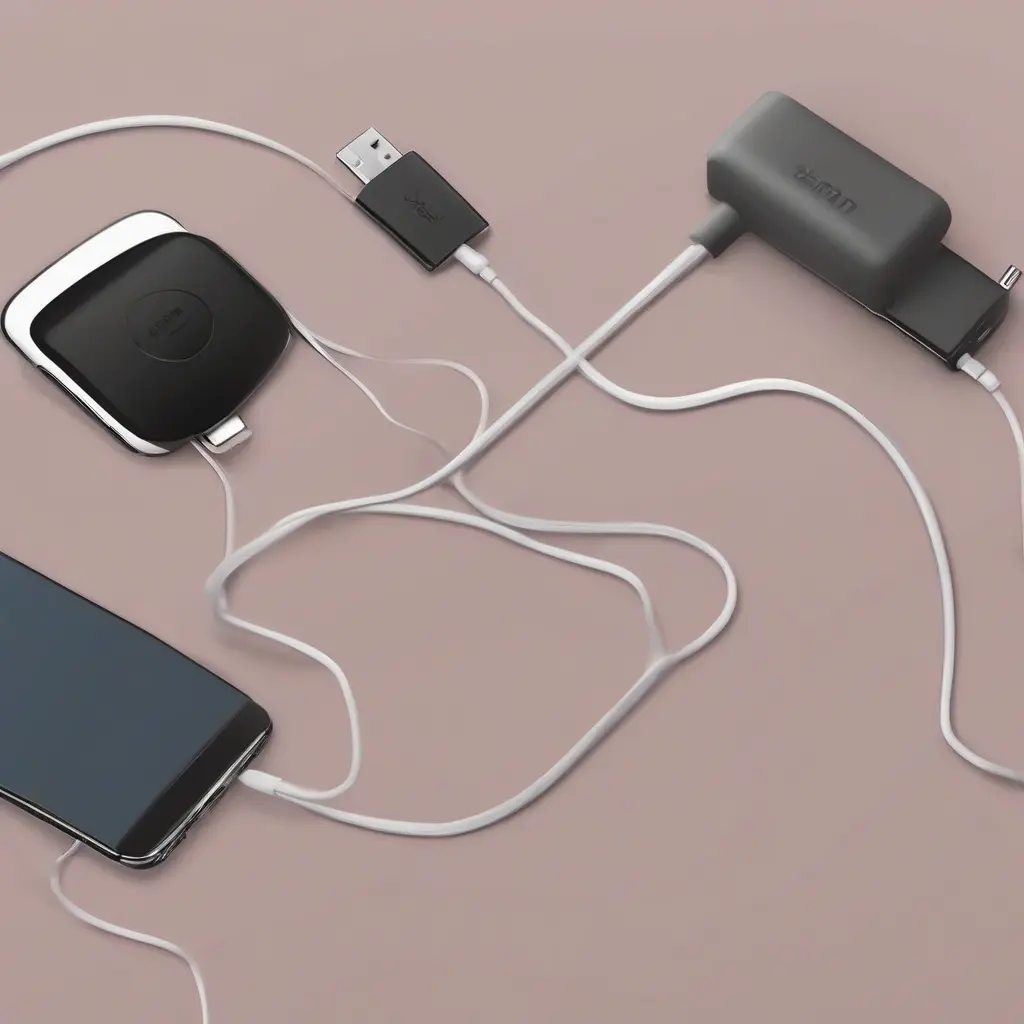
In today’s fast-paced world, minimizing clutter is essential, especially when it comes to our gadgets. Many users are now focusing on solutions that allow multiple devices to be charged from a single cable. This approach not only simplifies our daily routines but also promotes portability and convenience. Understanding what you need to know about charging different devices with one cable is crucial to making informed choices. This article delves into the types of cables available, their compatibility, and best practices to ensure efficient charging.
Understanding Cable Types
Charges and cables come in various types, each designed for specific devices. Common types include USB-A, USB-C, and Lightning cables. USB-C has gained popularity due to its versatility and fast charging capabilities. It can be used to charge smartphones, tablets, and even laptops. Lightning cables, primarily used by Apple devices, offer compatibility within the Apple ecosystem. Understanding these types helps users choose the right cable for their needs and facilitates the charging of multiple devices with one cable.
Universal Charging Solutions
Universal charging solutions are designed to accommodate multiple device types with one cable. Multi-port chargers and charging hubs often include various ports such as USB-A, USB-C, and sometimes even dedicated ports for brands like Apple or Samsung. These solutions eliminate the need to carry several cables, making them ideal for travel or everyday use. When selecting a universal charger, it’s essential to check compatibility with your devices to ensure optimal charging speeds and efficiency.
The Benefits of Multi-Device Charging
Charging multiple devices with one cable has numerous advantages. For instance, it reduces cable clutter, saving space in bags and on desks. Additionally, it simplifies the charging process, allowing you to charge smartphones, tablets, and accessories simultaneously. This convenience is especially beneficial for families or individuals who own various gadgets. Moreover, some universal chargers also offer fast charging capabilities, ensuring that all devices are powered up quickly without the need for multiple outlets.
Compatibility Considerations
When charging different devices with one cable, compatibility is a key factor. Not all devices support the same charging protocols, which can affect charging speeds and efficiency. For example, fast charging technologies like Qualcomm Quick Charge or Power Delivery require specific cables and chargers to function correctly. Always verify that both your cable and charger support the required protocols for each device. This ensures that you maximize charging speeds without risking damage to your devices.
Charging Speeds and Protocols
The speed of charging a device is influenced by both the cable used and the charger. Different charging protocols, such as USB Power Delivery and Quick Charge, offer faster charging options under the right conditions. USB-C cables typically support these high-speed protocols, while older USB-A cables may not deliver the same results. To achieve optimal charging speeds, it’s advisable to use a compatible charger and cable designed for your device, preventing congestion and ensuring efficient power delivery.
Choosing the Right Cable Length
Cable length is another significant consideration when selecting cables for multi-device charging. Longer cables offer flexibility in positioning your devices but can lead to voltage drops, potentially slowing charging speeds. Conversely, shorter cables minimize voltage drop but can limit placement options. It’s essential to strike a balance based on your charging needs and where you’ll generally be using the cable. For travel, a medium-length cable often provides the best of both worlds, ensuring portability without compromising efficiency.
Safety Tips for Charging
Safety is paramount when charging multiple devices with one cable. Always use high-quality cables that meet industry standards to avoid overheating and damage to your devices. Additionally, be cautious of overloading outlets with multiple chargers, which can pose electrical risks. Regular inspections of your cables for wear and tear also help maintain safety. Lastly, utilizing surge protectors can safeguard your devices from unexpected power surges while charging.
Eco-Friendly Charging Options
As environmental concerns grow, many users seek eco-friendly charging options. Using multi-cable chargers reduces waste by minimizing the number of cables disposed of over time. Additionally, some manufacturers are focusing on sustainable materials for their products, further enhancing eco-friendliness. When looking for charging solutions, consider brands that emphasize sustainability and responsible manufacturing practices. This choice not only helps reduce your carbon footprint but also encourages more companies to promote environmentally friendly products.
Future Trends in Charging Technology
The landscape of charging technology is constantly evolving. Innovations such as wireless charging and rapid charging technologies are becoming more widespread. Manufacturers are exploring ways to make charging even more efficient by developing universal standards that allow different devices to charge seamlessly. Furthermore, advancements in battery technology aim to enhance charging speed and capacity simultaneously. Keeping an eye on these trends will ensure you are well-informed and prepared for the future of charging multisystem devices safely.
Conclusion
Charging different devices with one cable offers a streamlined approach to power management, reducing clutter and simplifying daily routines. Understanding the various cable types, compatibility issues, and safety considerations will empower users to make informed choices. As technology continues to evolve, staying updated on the latest trends in charging solutions will help ensure compatibility and efficiency, maximizing the benefits of a single-cable charging experience.