
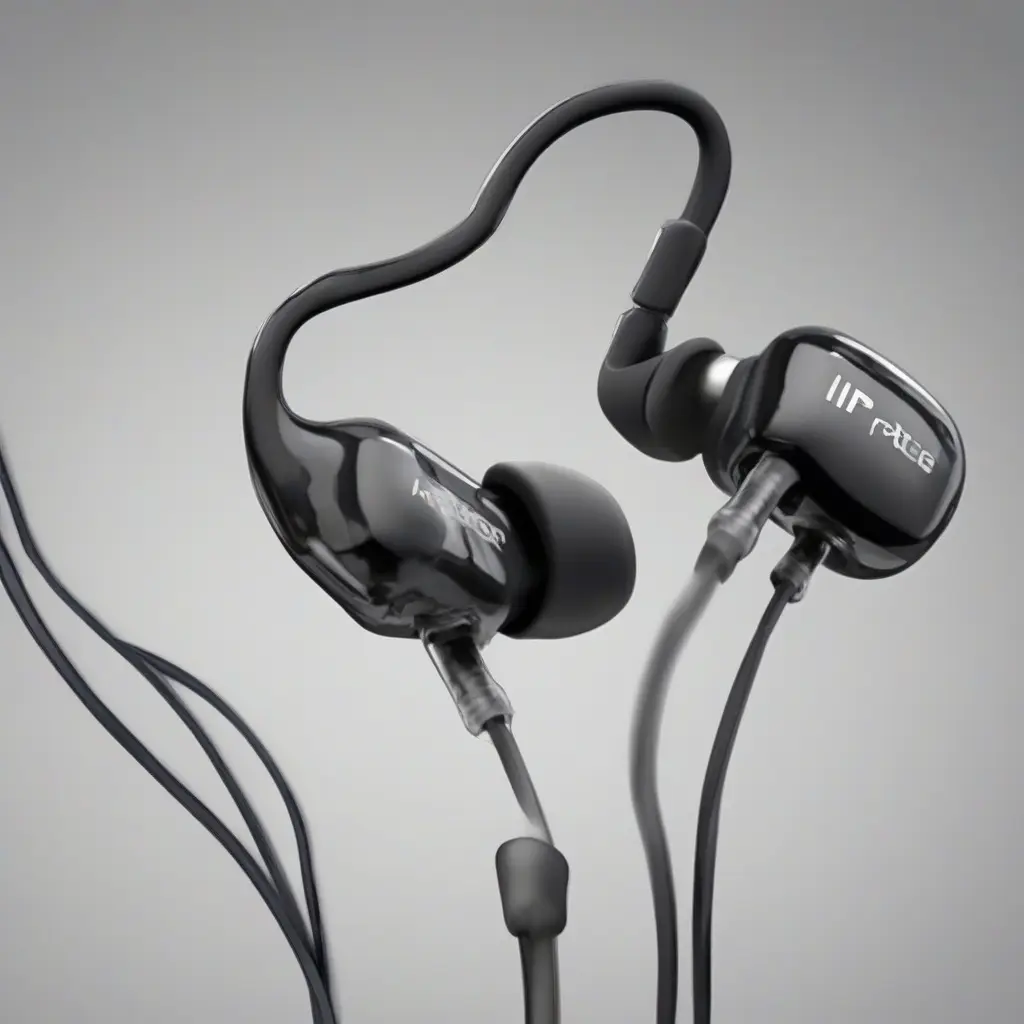
In a world where earbud designs increasingly prioritize portability and functionality, understanding Ingress Protection (IP) ratings becomes pivotal. IP ratings serve as a critical benchmark for assessing how resistant your earbuds are to water and dust, giving users the assurance they need for various activities. This article delves into the nuances of IP ratings, their relevance, and how they can influence your choice of earbuds. By knowing what these ratings mean, you can make an informed decision about whether your earbuds are truly waterproof or just water-resistant.
What Are IP Ratings?
Ingress Protection (IP) ratings specify how well a device is protected against substances like dust and water. These ratings are given in two digits, where the first digit indicates protection against solid particles and the second signifies resistance to liquids. For example, an IP67 rating means the device is completely dust-tight and can be submerged in water up to 1 meter for 30 minutes. This standardized system aids consumers in understanding the level of protection their devices offer, ensuring they are well-informed about their products.
Why IP Ratings Matter for Earbuds
For earbuds, IP ratings are crucial in ensuring durability during diverse activities. A higher IP rating indicates better protection, which is particularly beneficial for sports enthusiasts and outdoor users who expose their earbuds to moisture and dirt. Understanding these ratings can help you choose earbuds that withstand sweat, rain, or accidental splashes, making your listening experience more reliable. Knowing the specifications helps avoid damage and extends the lifespan of your earbuds, ultimately providing better value for your investment.
Common IP Ratings for Earbuds
Some common IP ratings you may encounter include IPX4, IPX7, and IP68. An IPX4 rating offers protection against splashes from any direction, making it suitable for light rain and sweat. On the other hand, IPX7 earbuds can be submerged in water for a while, providing excellent protection for water exposure. IP68 takes it a step further, making earbuds resistant to high-pressure water jets and dust ingress, appealing to users looking for robust durability for extreme conditions.
How to Test for Earbud Waterproofing
Testing the waterproofing of earbuds is not straightforward and typically requires specialized equipment. Most manufacturers rely on standardized tests to determine the IP rating, but users should take precautions regardless. If you’re unsure about your earbuds’ waterproofing, avoid exposing them to excessive moisture. Consult the manufacturer’s guidelines, as improper handling can void warranties. Engaging in water-related activities without proper assurance can lead to irreversible damage, so always err on the side of caution.
Tips for Maintaining Waterproof Earbuds
To ensure your waterproof earbuds remain functional, regular maintenance is important. After exposure to water or sweat, gently wipe them down with a soft, dry cloth. Avoid using harsh chemicals or submerging them excessively, even if they have a high IP rating. Additionally, store your earbuds in a cool, dry place when not in use to prevent potential corrosion of internal components. Following these tips can help prolong their lifespan and maintain optimal performance in various conditions.
Top Brands with Waterproof Earbuds
Several leading brands manufacture waterproof earbuds, known for exceptional quality and durability. Brands like Apple, Samsung, Sony, and Jabra offer models with high IP ratings, catering to different preferences and budgets. Researching options allows you to find the right balance between sound quality and waterproof reliability. Be sure to read reviews, as user experiences often provide valuable insights into real-world performance and durability, helping you make an educated decision when purchasing.
Limitations of IP Ratings
While IP ratings provide a standardized way to gauge a device’s waterproof capabilities, they have limitations. Manufacturers may conduct tests under ideal conditions, which differs from real-world scenarios where factors like pressure, temperature, and duration come into play. An IP rating does not guarantee complete protection, and wear and tear can diminish waterproof capabilities over time. Therefore, it’s essential to consider these limitations and evaluate your usage habits when selecting earbuds for water exposure.
Real-World Uses for Waterproof Earbuds
Waterproof earbuds are particularly advantageous for various real-world activities such as running, cycling, and swimming. Their durability allows users to enjoy music or podcasts while engaging in physical activities without the fear of damaging their devices. Additionally, they are ideal for individuals who work in environments where moisture is common, such as construction sites or outdoors. Having reliable earbuds in such scenarios not only enhances the experience but also minimizes the risk of potential damage from elements.
Conclusion
In summary, understanding IP ratings is essential for anyone considering waterproof earbuds. These ratings illuminate the level of protection against water and dust, guiding you to make informed purchase decisions. Whether you’re an athlete or simply someone who enjoys outdoor adventures, knowing the IP rating of your earbuds can significantly impact your listening experience. By considering the various factors discussed, you can choose earbuds that suit your lifestyle, ensuring reliable performance and durability for years to come.