
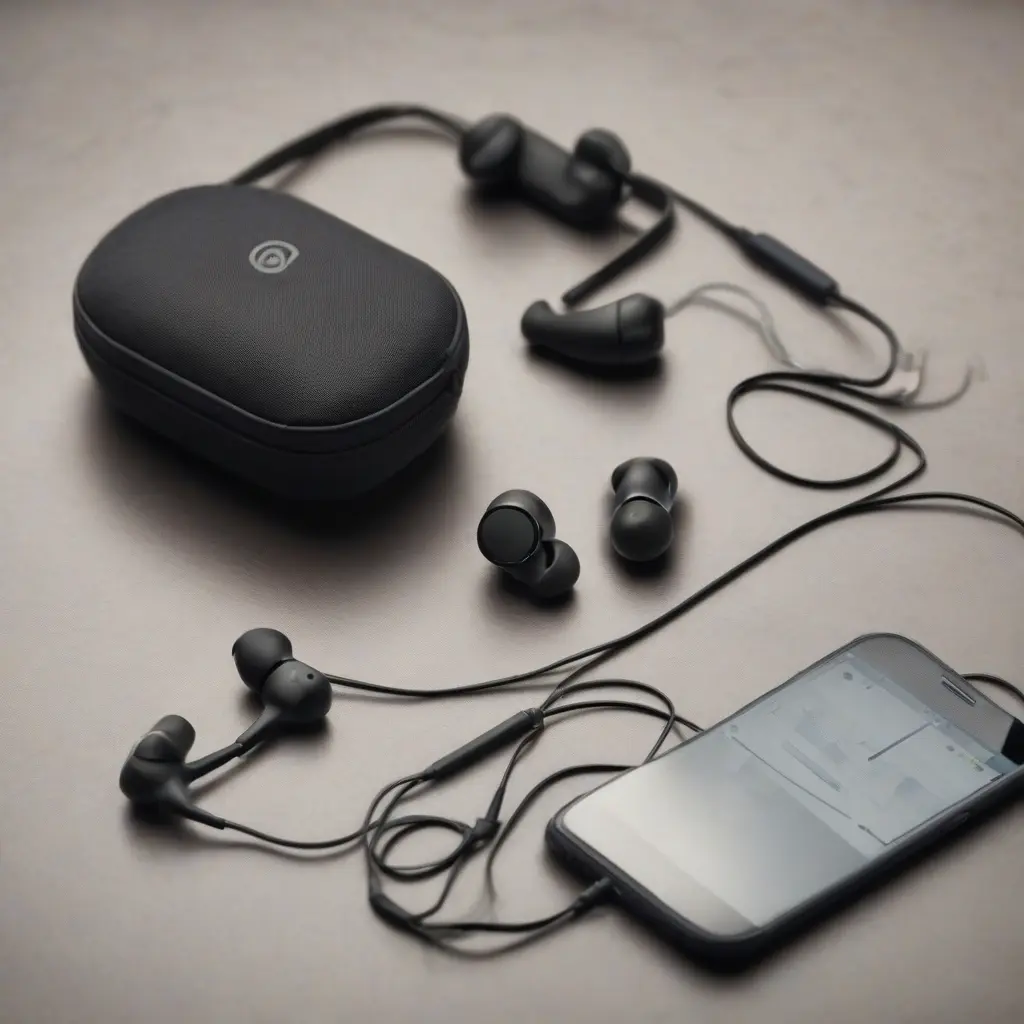
The evolution of earbuds reflects significant technological advancements that cater to the modern audio consumer’s needs. From the early wired models that dominated the market to the revolutionary advent of true wireless earbuds, the transformations illustrate shifts in consumer preferences towards convenience, portability, and quality. As technology continues to progress, understanding this evolution unveils how different styles and features have impacted audio experiences and daily routines. This article delves into the critical milestones that shaped the earbuds landscape, showcasing the journey from wired to truly wireless innovations.
The Early Days of Wired Earbuds
Wired earbuds emerged in the late 20th century, marking the beginnings of portable audio devices. Product designs initially focused on size and affordability, with many users preferring the simpler connection methods provided by 3.5mm jacks. Sound quality was often a key concern; however, wired earbuds offered a consistent audio experience that did not depend on batteries or connectivity issues. Despite their growing popularity, these early designs posed challenges, such as cable tangling and limited durability, leading to the need for improvements in both sound quality and user experience.
Advancements in Wired Technology
As technology progressed into the 2000s, wired earbuds saw significant advancements, including enhanced sound quality through improved drivers and materials. Manufacturers began to consider ergonomics, leading to the creation of models that fit snugly in the ear, providing better noise isolation. The advent of features like in-line remotes and microphones made these earbuds more functional for users who wanted to control playback and take calls without needing to reach for their devices. Gradually, these innovations laid the groundwork for user expectations around audio quality and performance in future designs.
The Rise of Bluetooth Technology
The introduction of Bluetooth technology in the early 2000s began to influence the design of earbuds, paving the way for wireless audio solutions. Users appreciated the freedom from cords, making Bluetooth earbuds increasingly popular among consumers seeking convenience during workouts or commutes. However, initial Bluetooth models often struggled with issues like battery life and sound quality, limiting their appeal compared to wired options. Nevertheless, the market began to shift as manufacturers started focusing on improving these Bluetooth limitations, setting the stage for the explosion of true wireless technology that would follow.
The Transition to True Wireless Earbuds
True wireless earbuds, defined by their complete lack of wires connecting the two earpieces, gained prominence in the late 2010s. This innovation provided the ultimate convenience and portability, appealing to users who valued mobility. Major brands released flagship models featuring active noise cancellation, water resistance, and advanced touch controls, which further enhanced the user experience. The growing adoption of these earbuds reflected a changing landscape in consumer preferences, highlighting a demand for sleek designs that could deliver both audio quality and convenience effortlessly.
Sound Quality in True Wireless Earbuds
When true wireless technology first emerged, skepticism regarding sound quality persisted among audiophiles. However, advancements in digital signal processing and battery technology have significantly improved audio fidelity in modern true wireless earbuds. Many brands now incorporate high-definition codecs to ensure optimal audio performance while maintaining efficient battery usage. The emergence of features like customizable equalizers and surround sound simulations has made it possible for users to experience richer, more immersive sound, contributing to their growing acceptance as a viable alternative to traditional wired alternatives.
The Impact of Noise Cancellation Technology
Active noise cancellation (ANC) technology has revolutionized the listening experience offered by true wireless earbuds, providing users with an escape from external noises. ANC works by using built-in microphones to detect ambient sound and generate inverse sound waves to cancel it out. This feature enhances immersion for listeners in noisy environments such as public transport or busy streets. Furthermore, the integration of transparency modes allows users to switch to an awareness setting, thus merging both audio enjoyment and environmental awareness, a significant advancement for wearable technology.
Battery Life and Charging Innovations
Battery life is an essential factor in the usability of earbuds, and manufacturers have responded by enhancing battery capabilities in true wireless models. Innovations such as quick charging, wireless charging cases, and battery optimization techniques have emerged to address user concerns of limited playtime. Many models now offer several hours of playback on a single charge, along with additional hours provided by charging cases. As battery technology continues to evolve, future earbuds will likely achieve longer listening sessions with shorter charging times, resulting in even greater convenience for users.
Emerging Trends in Earbud Design
Current trends in earbud design reflect a growing focus on user personalization and aesthetic appeal. Brands are experimenting with a variety of colors, materials, and shapes to cater to individual tastes. Additionally, ergonomic designs are being prioritized for improved comfort during extended use. Technological innovations, such as customizable and replaceable ear tips, are also on the rise, allowing users to optimize fit and sound isolation. Furthermore, smart functionalities are increasingly integrated, including voice assistants and gesture controls, transforming earbuds into multifunctional devices.
Future Directions in Earbud Technology
The future of earbud technology is poised for continued advancements, with potential developments expected to enhance audio quality, usability, and interactivity. Research into bone conduction technology and the integration of augmented reality features could usher in a new era of audio experiences. Moreover, the potential for improved biometric sensors to monitor health metrics while listening provides exciting opportunities for fitness enthusiasts. As consumer demand for personalization and functionality grows, we can anticipate innovative features that will push the boundaries of earbud performance and capabilities.
Conclusion
The evolution of earbuds from wired models to true wireless technology demonstrates a significant shift in audio consumption trends over the years. Innovations in design, sound quality, and functionality have transformed how users engage with their audio environments. As technology continues to advance, the future of earbuds seems bright, promising more enhancements that cater to user preferences and lifestyles, ultimately enriching our listening experiences.