
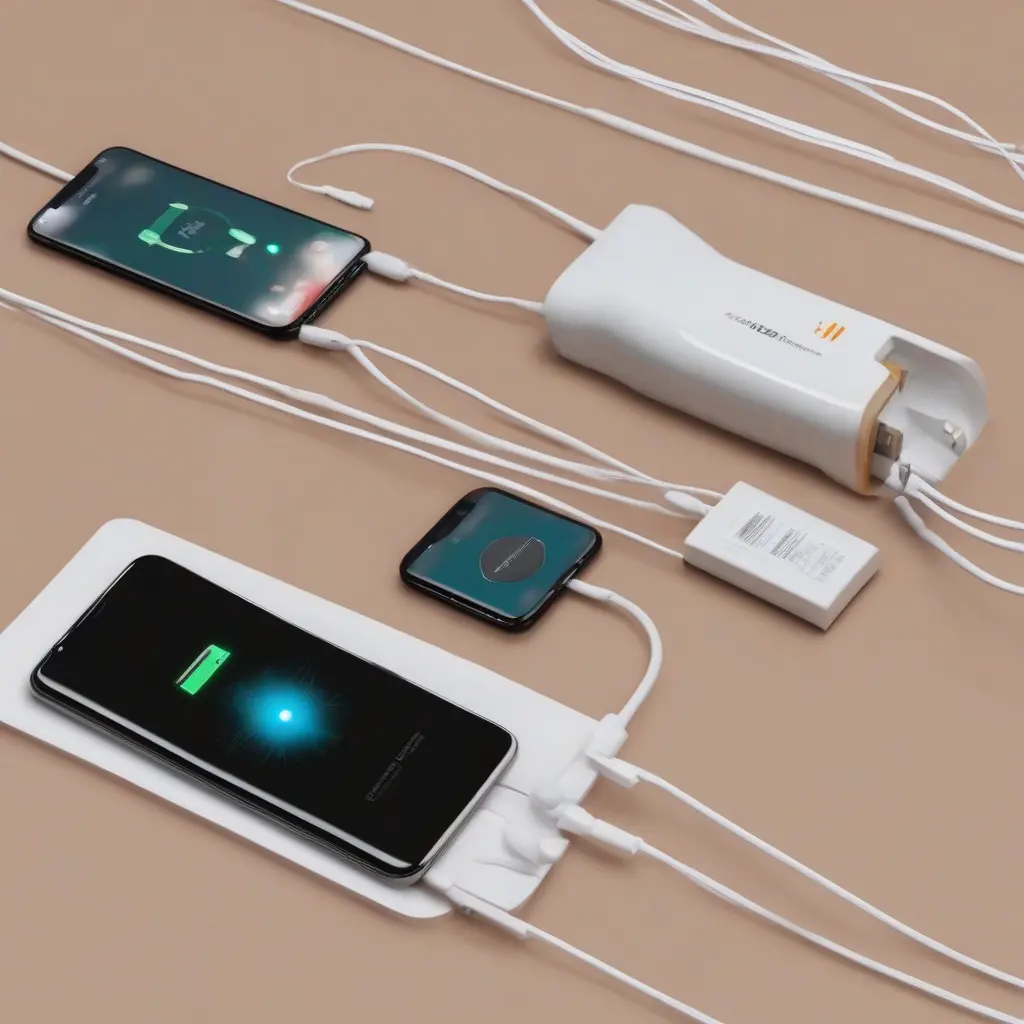
Power Delivery (PD) is a game-changing technology that enhances the way we charge our devices, ensuring quicker and more efficient power transfer. Originally developed to standardize charging across multiple devices, PD offers significant advantages, such as reduced charging times and increased compatibility. As we continue to rely heavily on smartphones, tablets, and laptops, understanding PD becomes essential for maximizing the performance of our gadgets. This article delves into the intricacies of Power Delivery, its key benefits, and how it impacts the landscape of charging technology.
What is Power Delivery?
Power Delivery is a universal charging standard developed by the USB Implementers Forum (USB-IF). It allows for higher wattage transfer through USB connections, up to 100 watts, enabling faster charging for a wide range of devices. Unlike traditional USB charging, which delivers limited power, PD facilitates communication between the charger and device, allowing them to negotiate the optimal power level. This results in devices not only charging faster but also enhancing their battery health through smarter energy management.
How Does Power Delivery Work?
Power Delivery operates through a series of protocols that enable power negotiation between devices and chargers. When a PD-enabled device is connected to a compatible charger, they exchange information to determine the optimal voltage and current required for charging. This negotiation process ensures that the device receives the ideal amount of power, making it possible for laptops to charge quickly or smartphones to battery boost in a fraction of the time. PD adapts dynamically, which means it can also reduce power when less is needed, contributing to longer battery life.
Benefits of Power Delivery Charging
One of the most significant benefits of Power Delivery is its rapid charging capability. Devices equipped with PD can charge up to 70% faster compared to standard USB charging methods. Additionally, PD is versatile; it can power everything from smartphones and tablets to laptops and even some home appliances. With its ability to deliver both high power and flexible voltage levels, PD not only accelerates charging times but also simplifies the charging ecosystem, allowing users to reduce the number of chargers and cables needed.
Power Delivery vs. Quick Charge Technologies
While both Power Delivery and proprietary quick charge technologies aim to expedite charging times, they operate differently. Quick Charge, primarily developed by Qualcomm, is specific to certain devices and can vary in compatibility. In contrast, Power Delivery is a universal standard that works across a wider range of devices and brands. This universality enhances convenience, as users are more likely to find a compatible charger regardless of the device. As a result, Power Delivery is increasingly becoming the preferred option for consumers seeking a flexible and effective charging solution.
Compatibility with Devices
Power Delivery is designed to work with a variety of devices, including smartphones, laptops, tablets, and even some gaming consoles. This broad compatibility stems from PD’s integration into the USB Type-C standard, which has become the dominant connector for portable devices. Most modern devices now support PD, making it easier for users to charge multiple gadgets with a single cable and charger. However, it’s essential to ensure that both the device and charger support PD for optimal performance.
Charging Cables and Accessories
To take full advantage of Power Delivery, using the right cables and accessories is crucial. Not all USB Type-C cables support the power levels required for PD; therefore, ensuring compatibility is key. Look for cables that explicitly state support for Power Delivery, as these will be able to handle the increased voltage and amperage. Additionally, investing in a reliable PD charger is important, as it serves as the foundation for maximizing charging speeds across all your devices.
The Future of Power Delivery
The future of Power Delivery looks promising as technology continues to evolve. With the increasing number of devices relying on USB Type-C and PD, we can expect innovations to enhance energy efficiency and charging speeds further. As manufacturers adopt PD more widely, consumers will benefit from simpler charging solutions and fewer proprietary chargers cluttering their devices. The integration of advanced features, such as energy harvesting and smart energy management, may also pave the way for sustainable charging practices, aligning with global energy efficiency goals.
Power Delivery in Everyday Life
In daily life, Power Delivery impacts convenience significantly. Users can charge their laptops during commutes, power bank supplies, and smartphones during brief stops—often in less than half the time required by traditional chargers. This efficiency is particularly beneficial for those on the go, as it minimizes downtime and enhances productivity. As PD becomes more prevalent, the way people use and think about charging their devices will continue to evolve, encouraging a more connected and efficient lifestyle.
Challenges and Limitations
Despite its many advantages, Power Delivery does face certain challenges. For example, the adoption of PD varies among devices, which can lead to confusion over compatibility. Additionally, while PD allows for faster charging, the charging speed may not always match user expectations due to factors like battery health and temperature management. To maximize the benefits of PD, users must ensure they use compatible devices and cables while being mindful of their device’s specific battery management systems.
Conclusion
Power Delivery represents a significant advancement in charging technology, offering faster and more efficient solutions for a wide range of devices. By understanding its functionality, benefits, and compatibility, users can take full advantage of this innovative technology. As Power Delivery continues to gain traction, it stands to reshape how we interact with our devices, making charging faster and more convenient than ever before.